
Purchase Beach Sounds at the Tomato Lab Market.
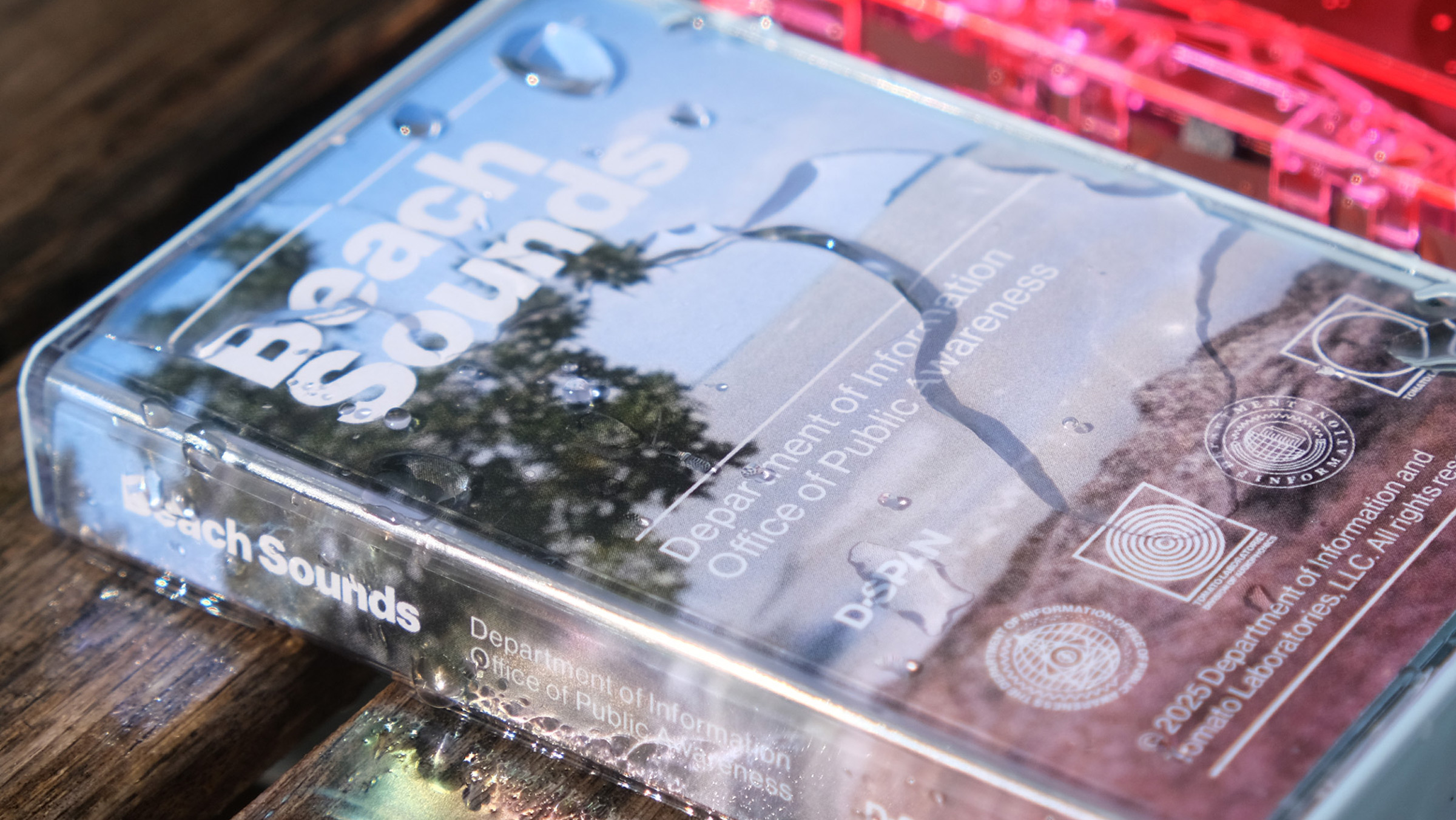
The Department Satellite Public Affairs Network (D-SPAN) and the Office of Public Awareness is pleased to release the latest installment in our Sounds series. Beach Sounds was recorded deep in the wilderness of South Florida and coastal New York State using field recorders and film photography. The official release includes a 40 minute audio program, available in digital and cassette tape format, and a visual companion newsprint poster with photographs and essays (printed below).

Flamingo, Florida
Flamingo, Florida, is as far south as you can drive in Everglades National Park—the largest subtropical wilderness in the United States. The only path beyond the paved road is something called the Coastal Prairie Trail. Accessible only by foot and once used by fishermen and cotton pickers, it meanders through coastal plants, succulents, cacti, and shady buttonwoods for eight miles before disappearing into Florida Bay.
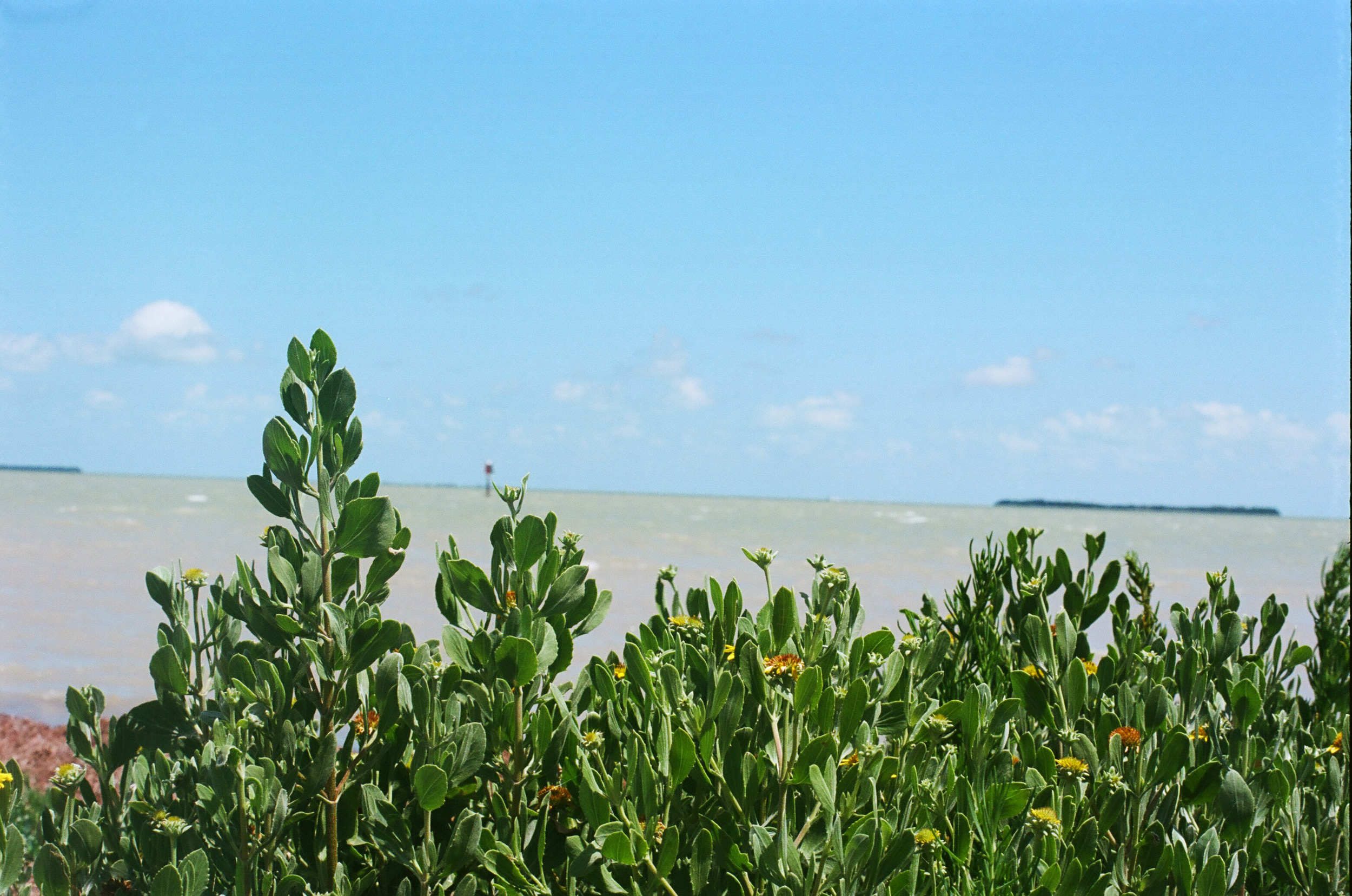
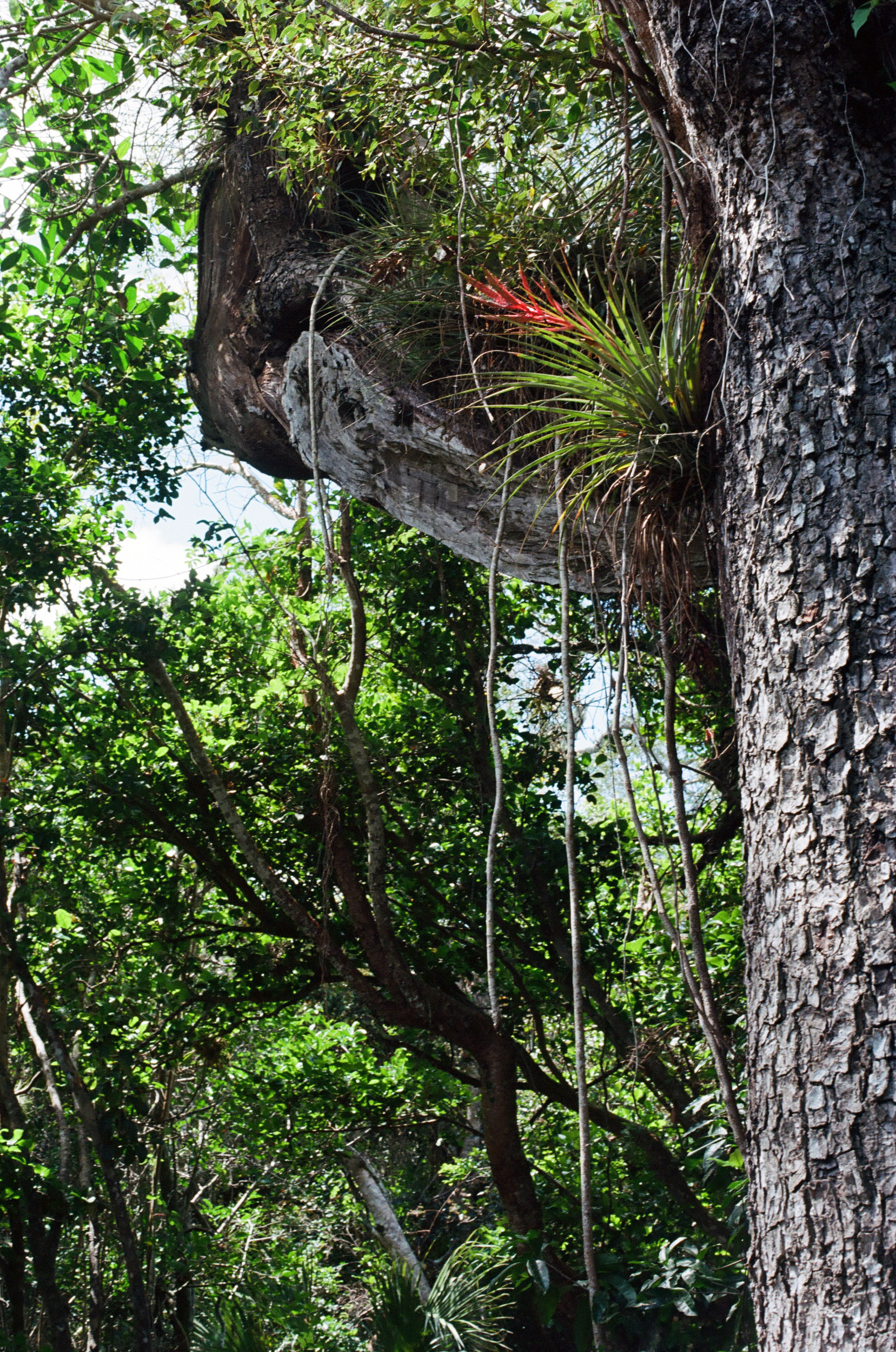
Shortly before the trailhead is an area just off of Flamingo Lodge Highway where the mangroves, reeds, and other things of the swamp merge seamlessly into the salty, turquoise-blue water of the ocean. The shore here is tortured and torn between two worlds, geographies, and times. This is the only place in the world where the American alligator and the American crocodile coexist in the wild. A contradiction embodied by prehistoric creatures reminds visitors that some of the sights, sounds, smells, and sensations of the place are not subject to normal rules. Ghosts of the past haunt those who wander here through these symbols and through swarms of mosquitoes. One might wonder how much mud it took the rum-rummers, cotton-pickers, fishermen, and outlaws to shield themselves from the bites.
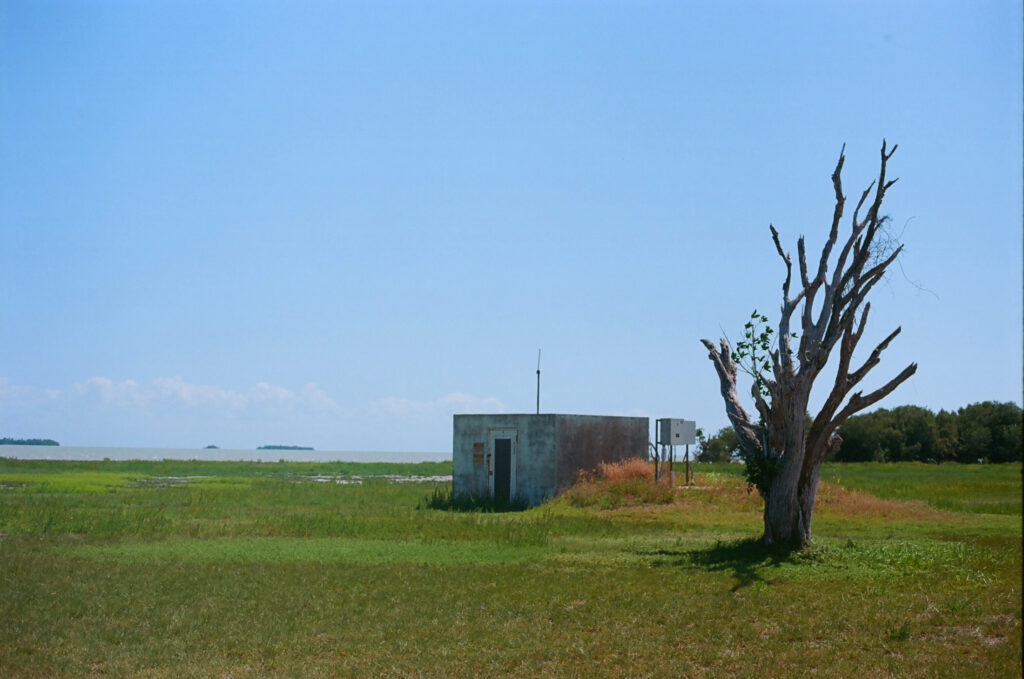
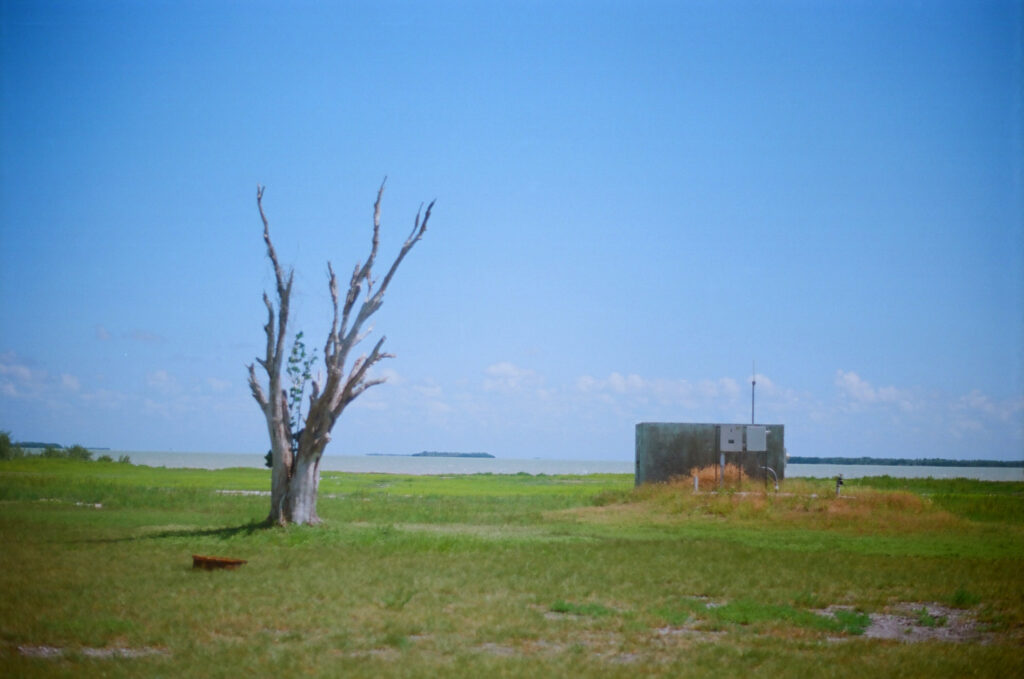
The Labor Day Hurricane of 1935 was the worst storm to hit mainland Florida. The handful of stilt houses that existed in Flamingo were completely wiped out, along with a coconut grove. Natural debris and wreckage littered canals and bleached white skeletons of mangroves dotted the landscape like tombstones.
Guy Bradly, sheriff of Monroe County and one of the first American game wardens, was tasked with protecting wading birds from plume hunters. In 1905 he approached a man and his sons who were poaching egrets in Flamingo. Shot dead, his soul flew up out of his body like a wood stork and began haunting the sawgrass both ways through time.

Even weirder things happened when the Calusa chiefdom dominated the area but we have no way of knowing what those were—the details buried in shell mounds and in the generational memory of mosquitoes.
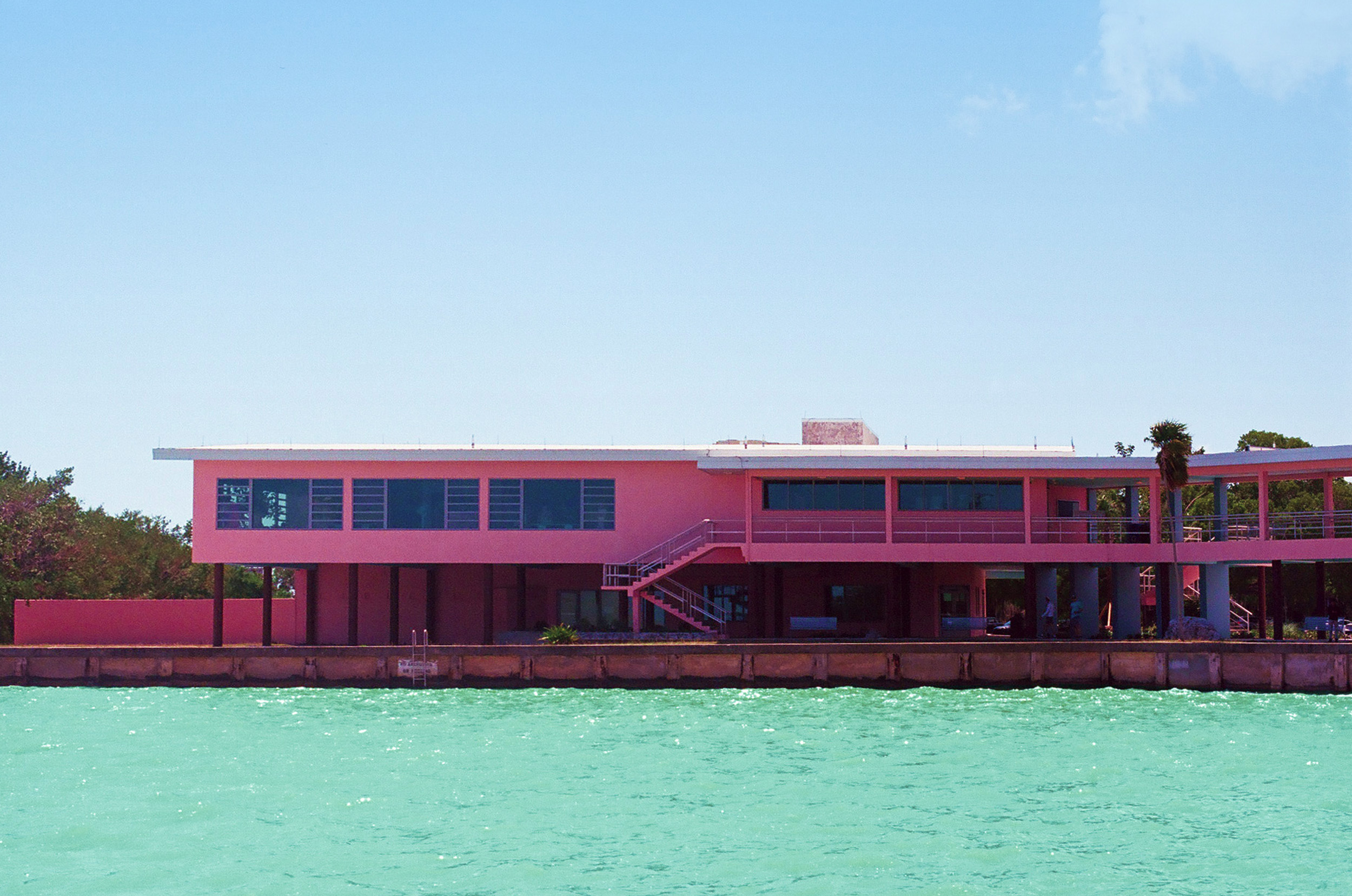
The post office no longer exists. The settlement was named after it and it was named after the colorful birds that once migrated through. What does exist today is a flamingo-pink visitor center, daily boat tour operators, tourists looking for the phantom ghost birds, and strange concrete structures with antennas and locked doors spread across sawgrass prairies. The aura is as liminal and porous as the limestone rock underneath it that was formed from the remains of marine organisms over millions of years. The gentle sounds of lapping waves off of Florida Bay are one of the most normal things about the place.
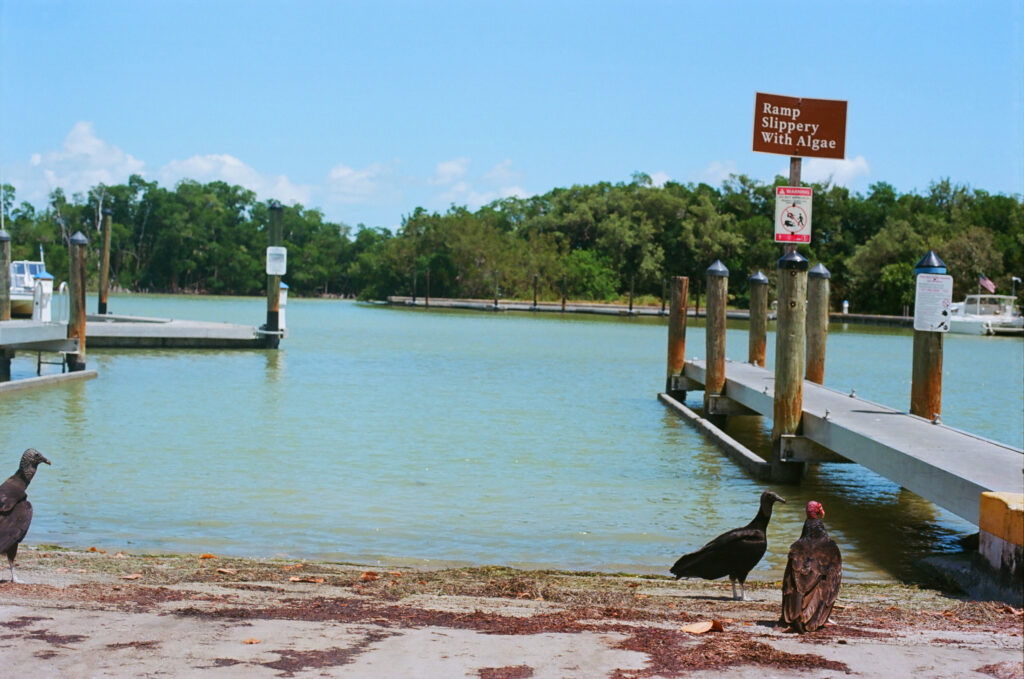
The Sunken Forest
The Sunken Forest is located near the center of a thin barrier of sand stretching over 20 miles off the coast of New York on Fire Island National Seashore. It is accessible only by boat, and only for a small part of the year. This rare maritime holly forest—home to trees over 300 years old—is protected on two sides by ancient, constantly shifting dunes. The whole thing sits in a bowl-shaped hollow, untouched by time or by the extreme forces that blow toward it from the great void of the Atlantic Ocean.
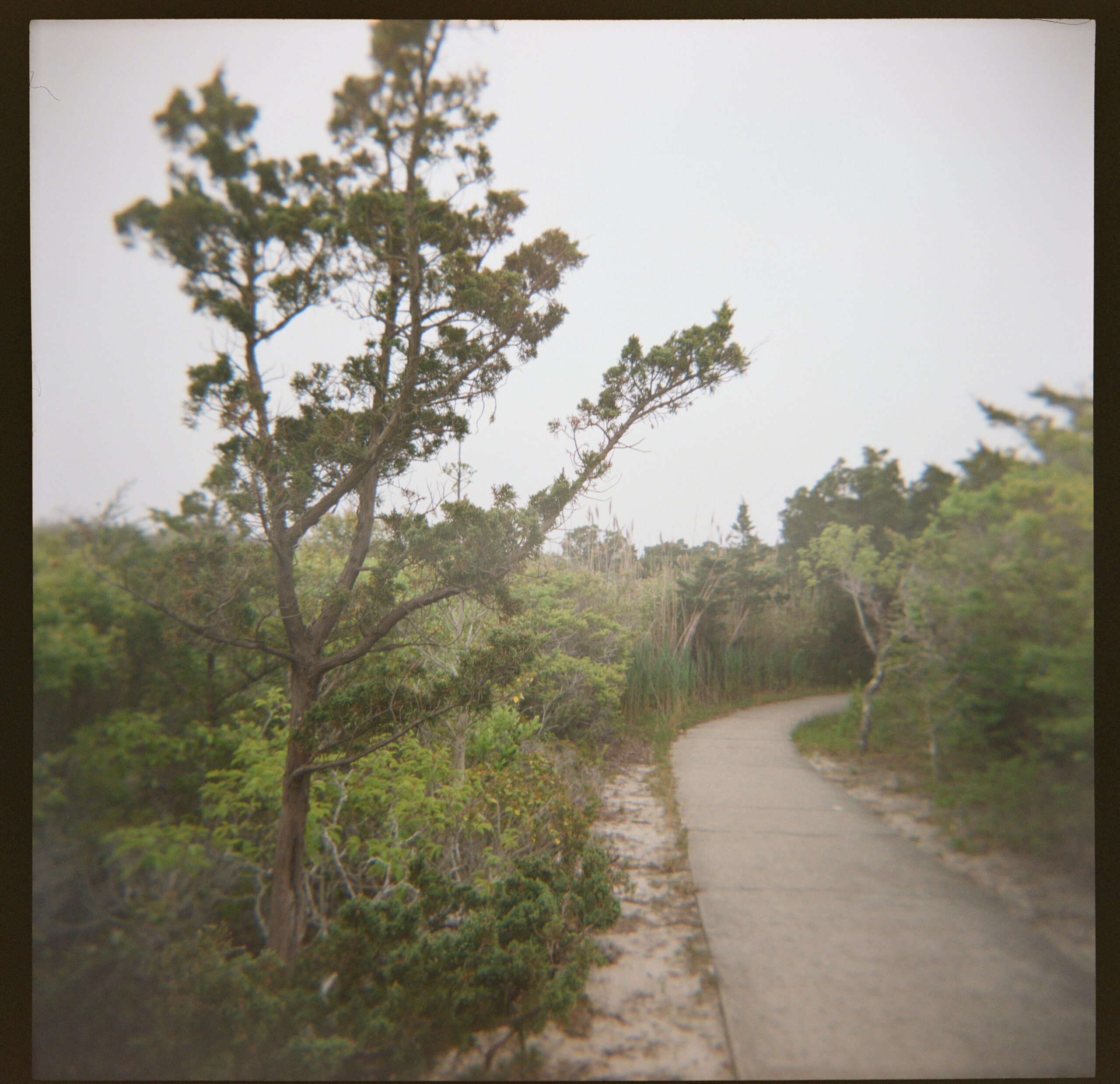
Once off the boat, a hypnotic meander through sand, sassafras, juneberry, and other hardwoods forgives visitors for losing track of time. Wild beach deer wander comfortably around and sample each type of thing they can eat. As one leaves the familiarity of the beach sands and open air behind, and as the friendly calls of the Laughing Gull, Piping Plover, and Red-winged Blackbird fade into the distance, the sky darkens and the canopy folds in around you. A visitor entering the forest on a midsummer afternoon will almost certainly be met by the same rain that fell on it hundreds of years ago, when the first mysterious seeds began blowing into the recessed earth and growing into what it is now.

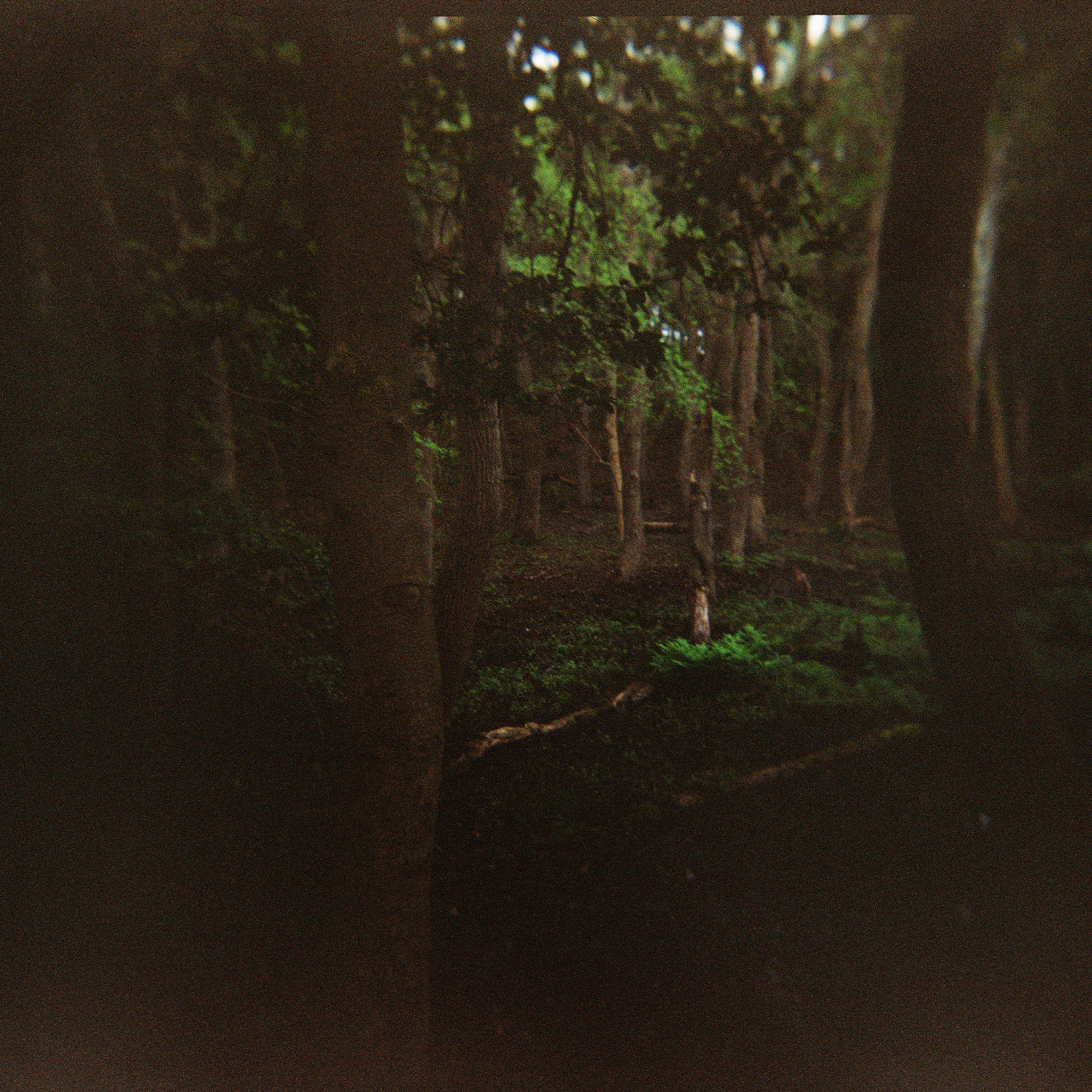
The trail itself wanders in loops through the dark, humid forest for a great distance, occasionally introducing abandoned coastal docks, beautiful salt-spray-pruned red cedars, bogs of saltmarsh grasses, and box turtles. Sometimes, a single fox might appear, following you between distant tree trunks. According to local lore, you may also see floating orbs of light drifting low through the trees, like flames from a forgotten campfire or the haunting of something older and weirder.
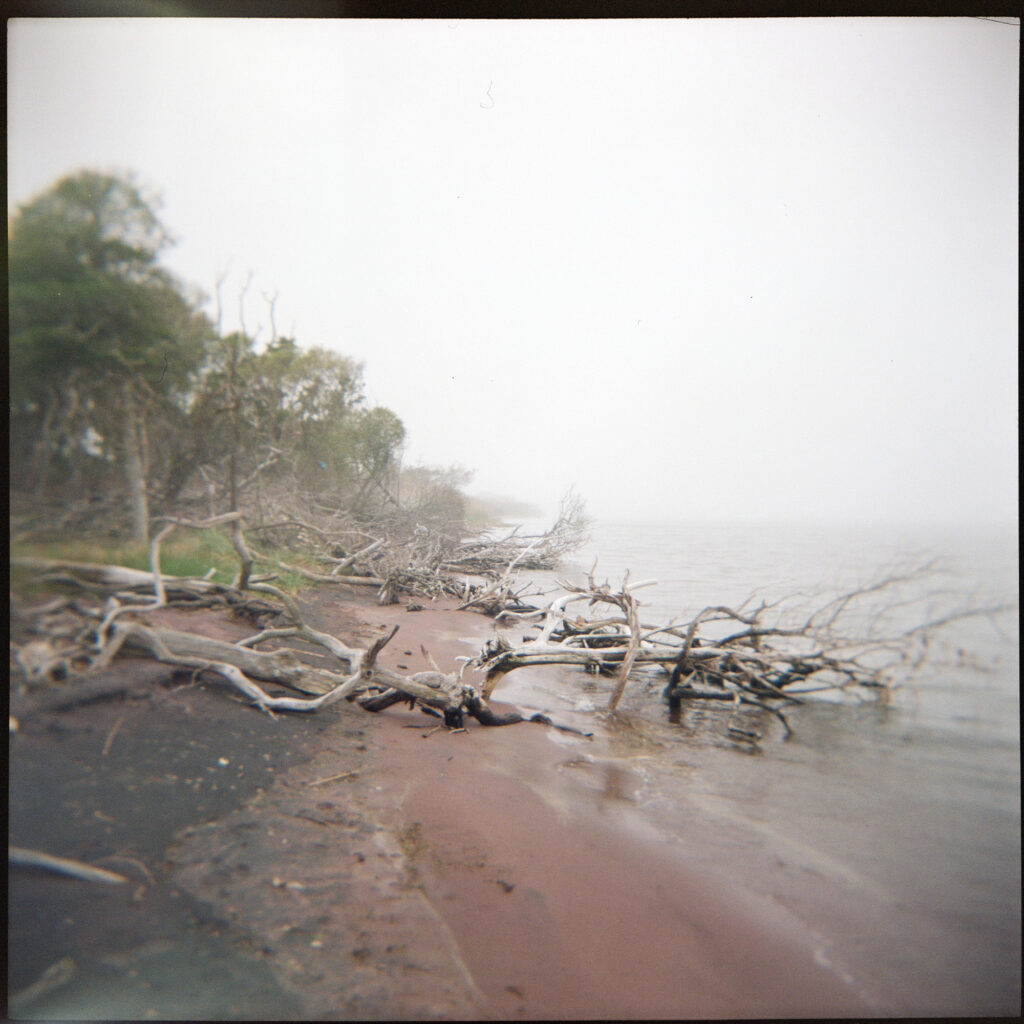
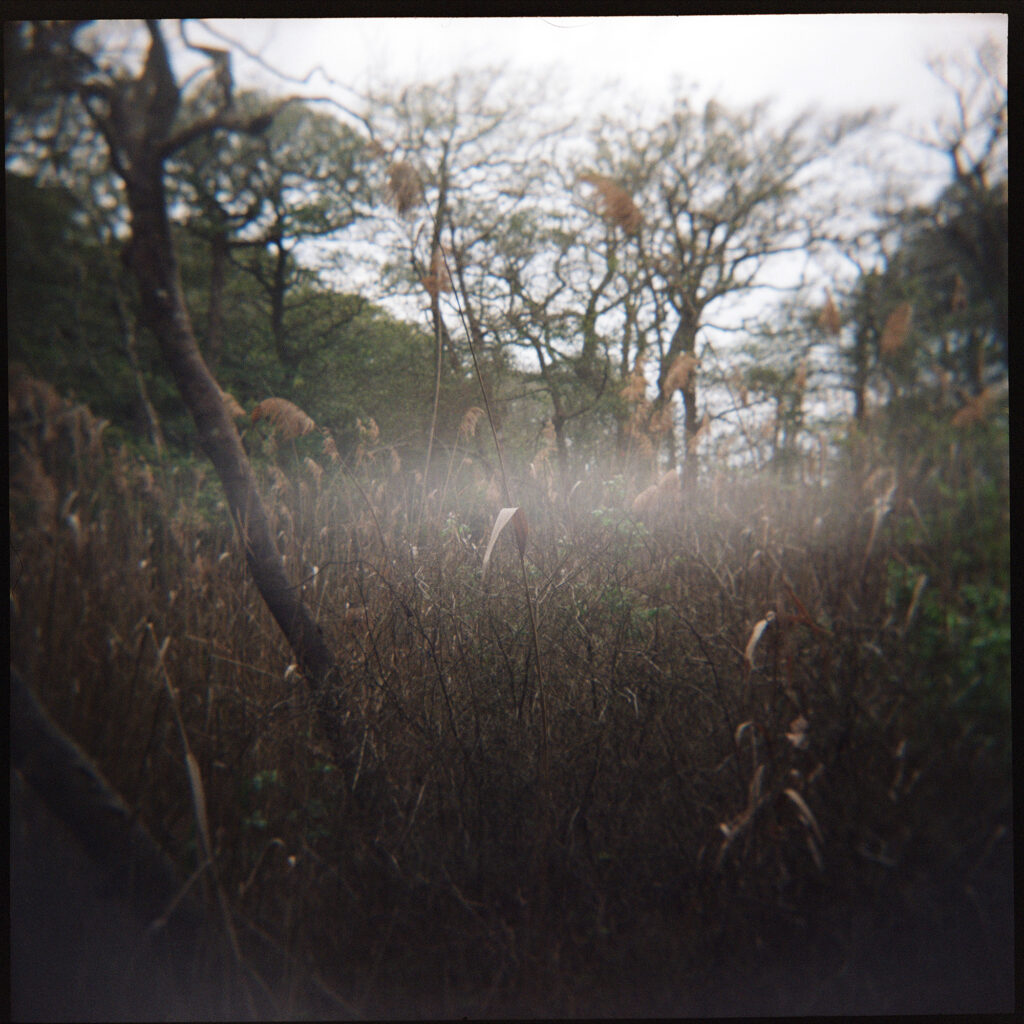
This place—like Flamingo and dozens of other forgotten coastal hideouts that exist on the periphery—was also used by rum-runners, pirates, outlaws, and mysterious figures, according to historical accounts. But it was the whalers of the 19th century who unearthed the weirdest happenings on Fire Island. A man named Jonas, stationed on the island at the turn of the century and burdened by the midnight watchman’s post, listened carefully from the top of a dune. He heard the sound of the wind in the grass and the beat of the surf—yet something more. His heart began to thump, and his own breathing interfered with his judgment. And at midnight, as with watchmen before him, he heard a shriek and a howl so dark that his skin crawled. The next morning, two bodies washed ashore.
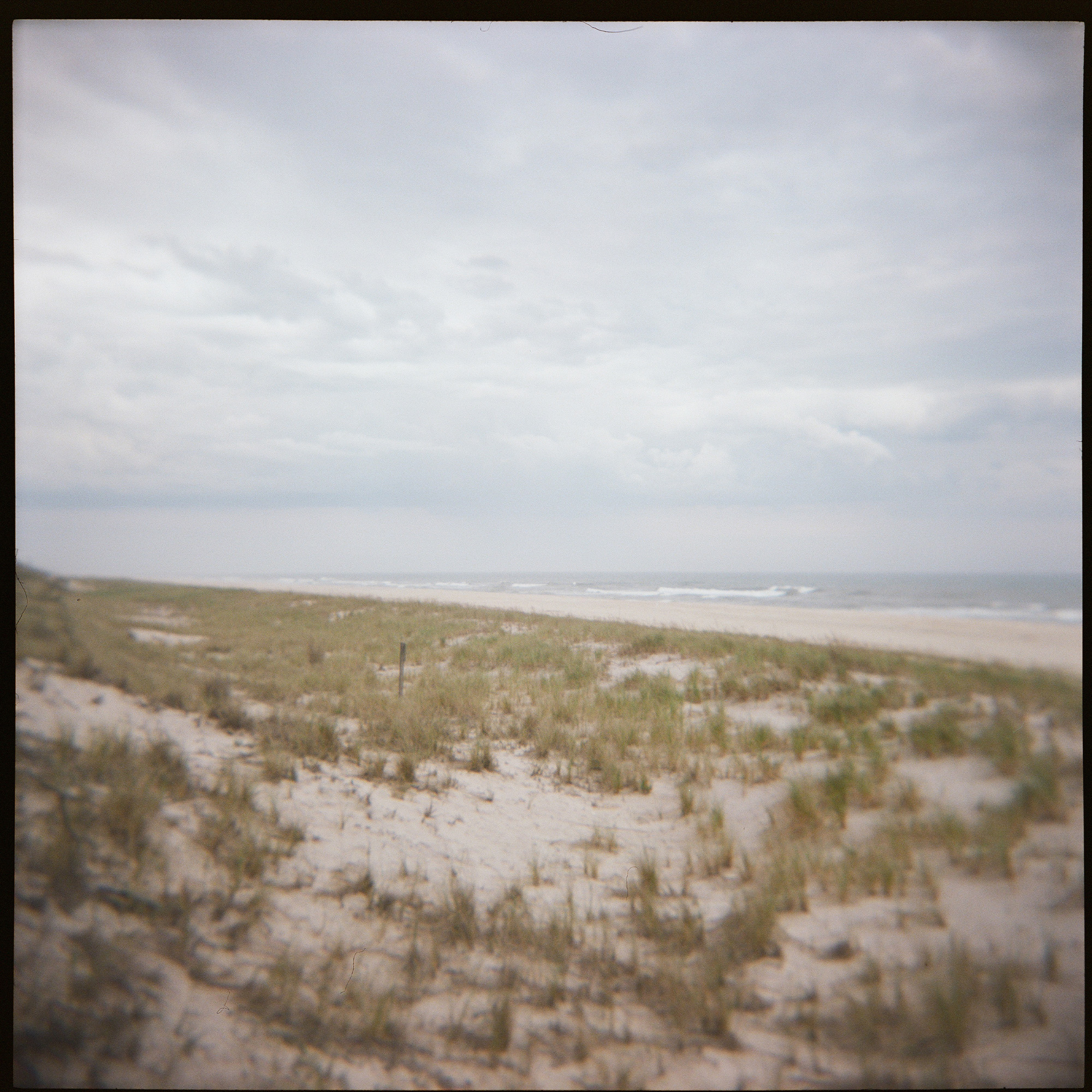
The Bogy of the Beach is just one of many folk legends that haunt the sands of Fire Island. These things permeate time, as the foxes that witness them continue to frolic through the bogs and sawgrass.
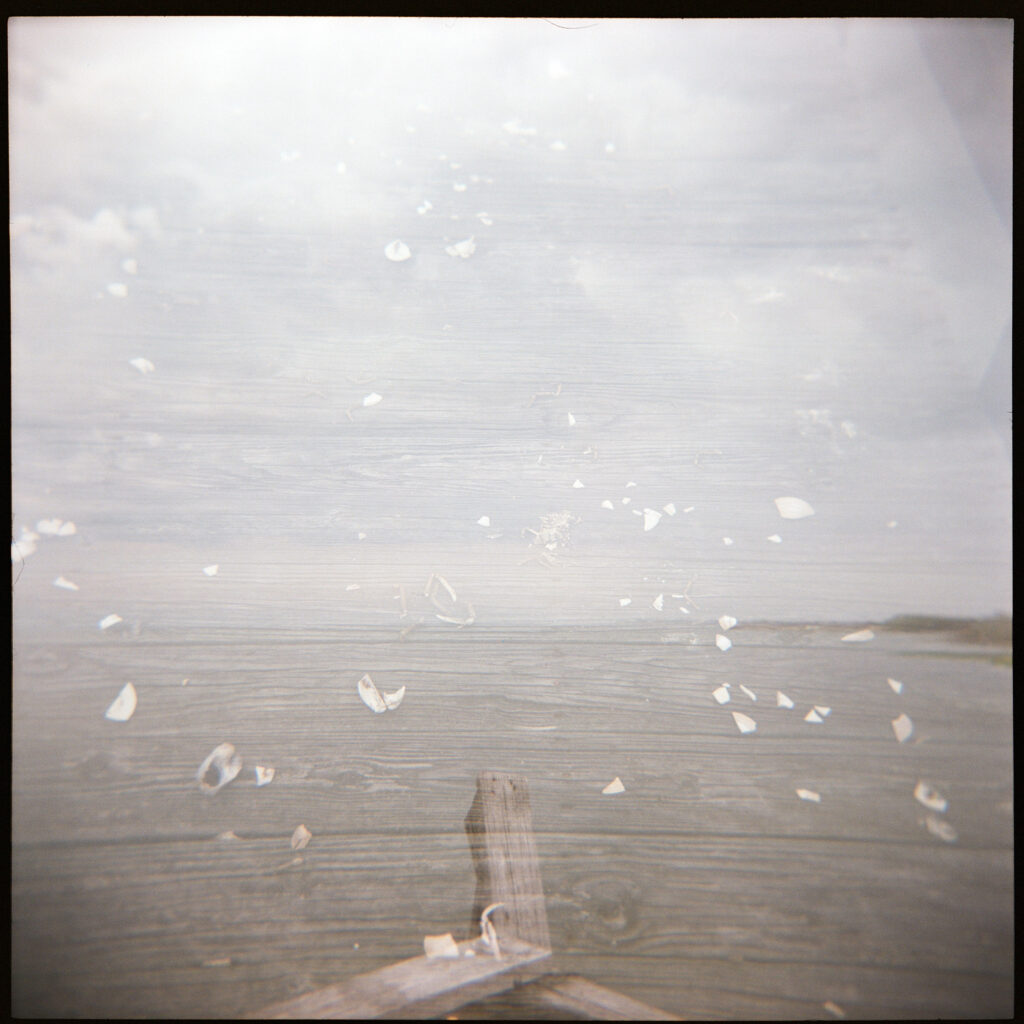
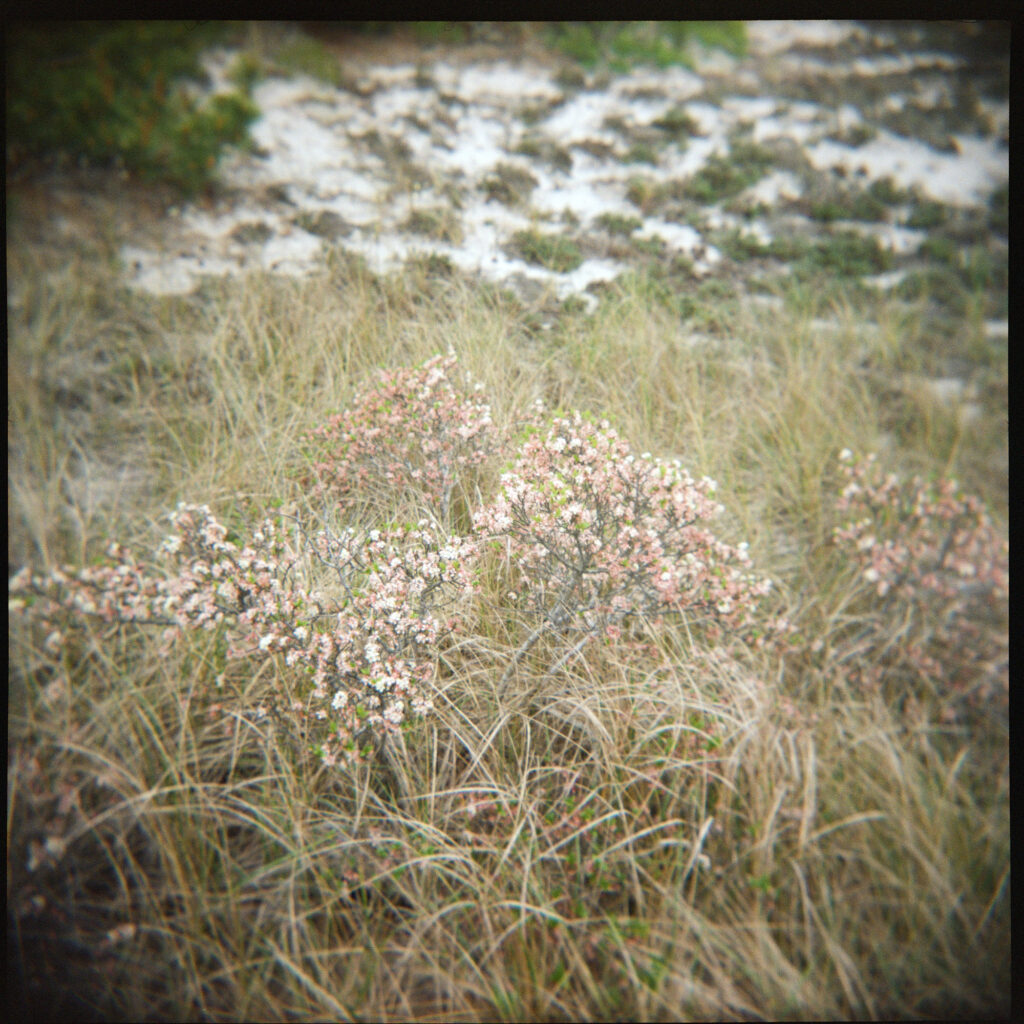
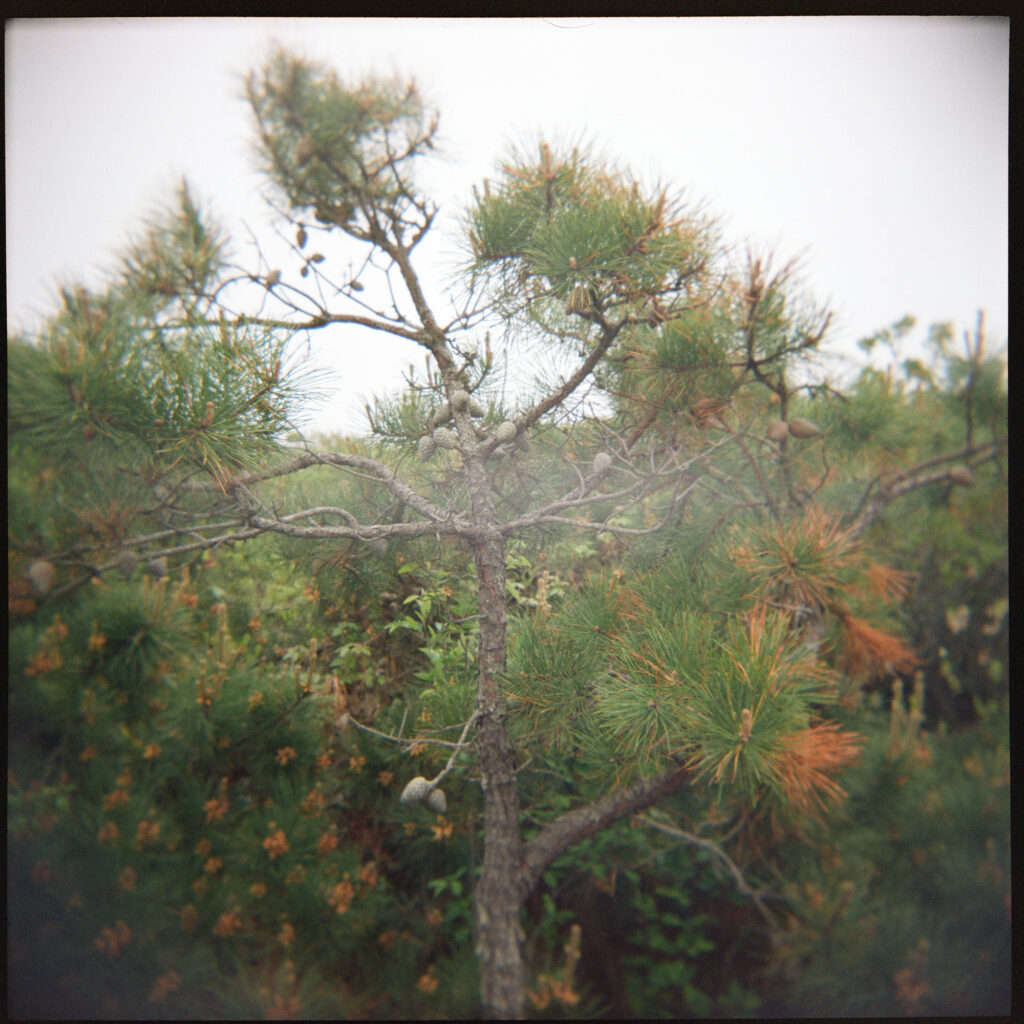
Today, as visitors stand between the dunes and listen to the distant breaking waves—anonymous energy meeting its abrupt end on the barrier island’s shores—they could be forgiven for mistaking the sound for that same mysterious moaning from the time of the haunted whalers.

Purchase Beach Sounds at the Tomato Lab Market.