

During last year’s office holiday party, our information ambassador, Pokey the Pigeon, had one too many jungle birds at the tiki bar and ended up smoking a new street drug called hawk salt. He stole a city bus and crashed it into a pet store.
As part of Pokey’s court-ordered community service, he now has to teach schoolchildren about the perils of drug and substance abuse. However, the only reference materials he has are boxes of out-of-print DEA pamphlets from 1979 that he found in a broom closet.

We will do our best to review the pamphlets here.
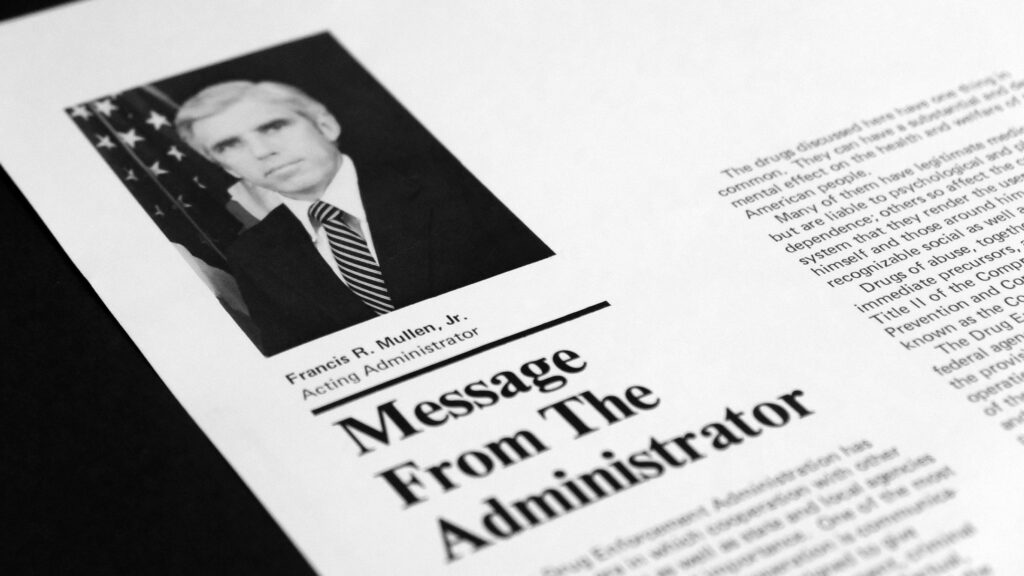
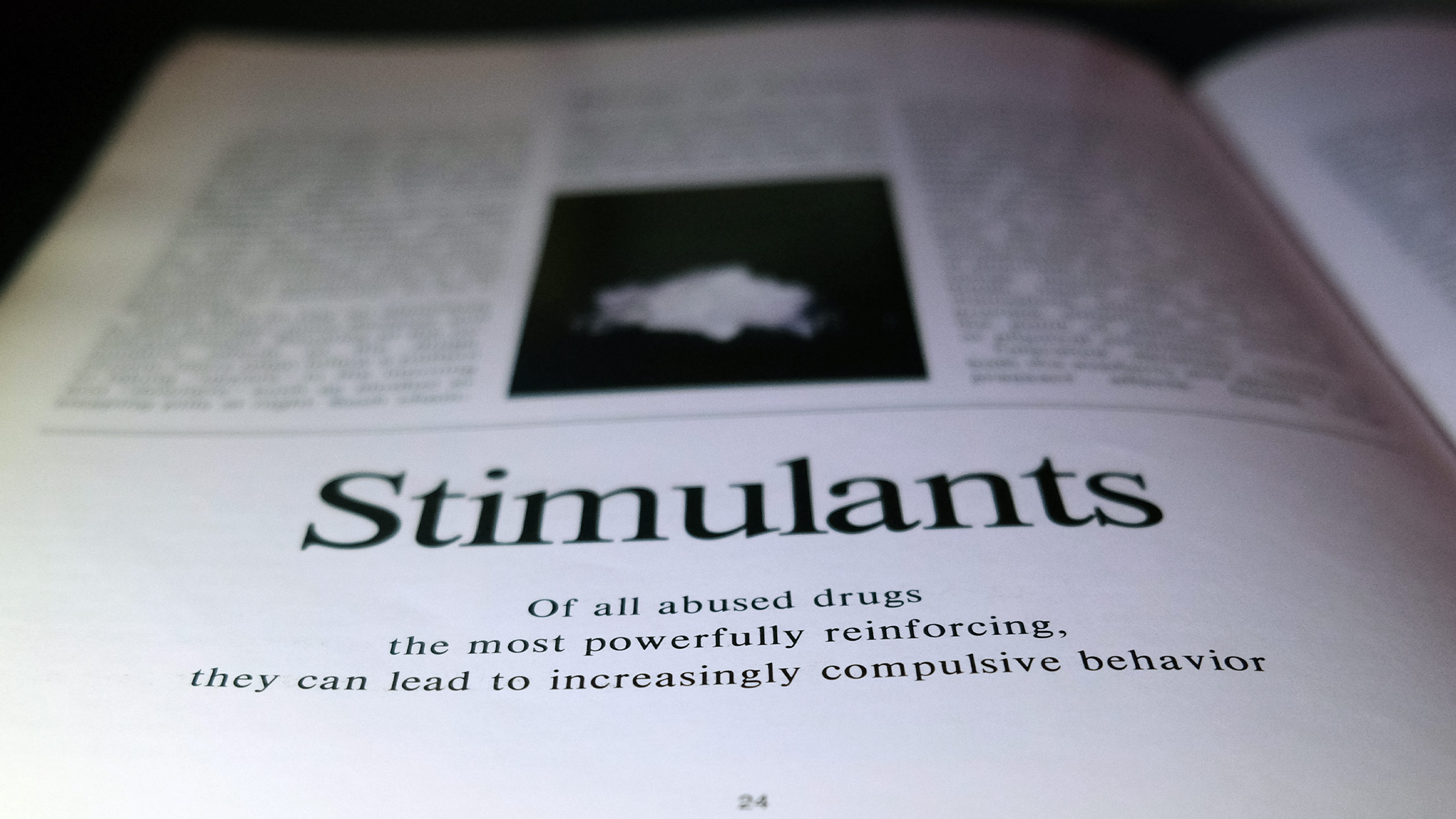
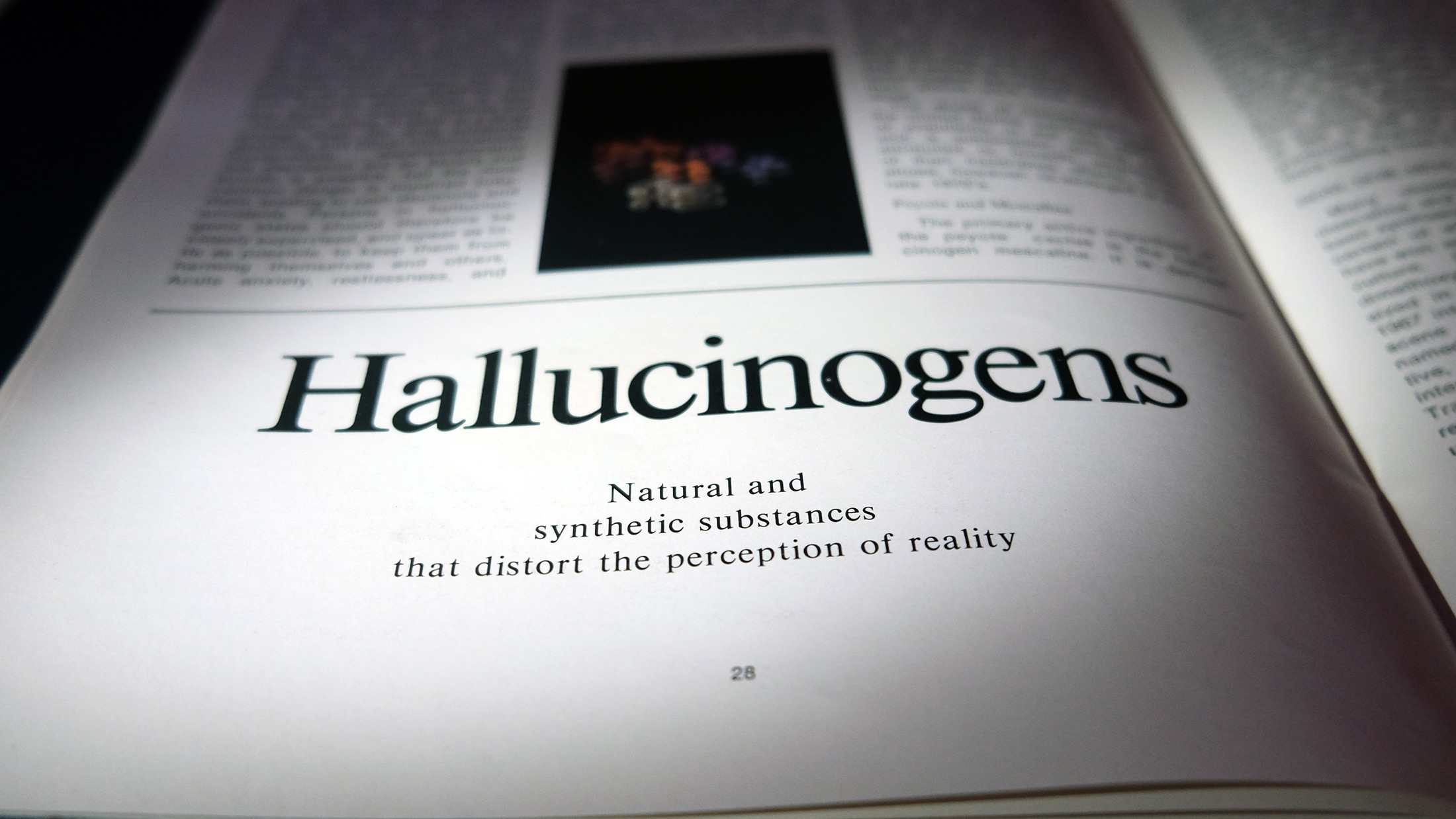
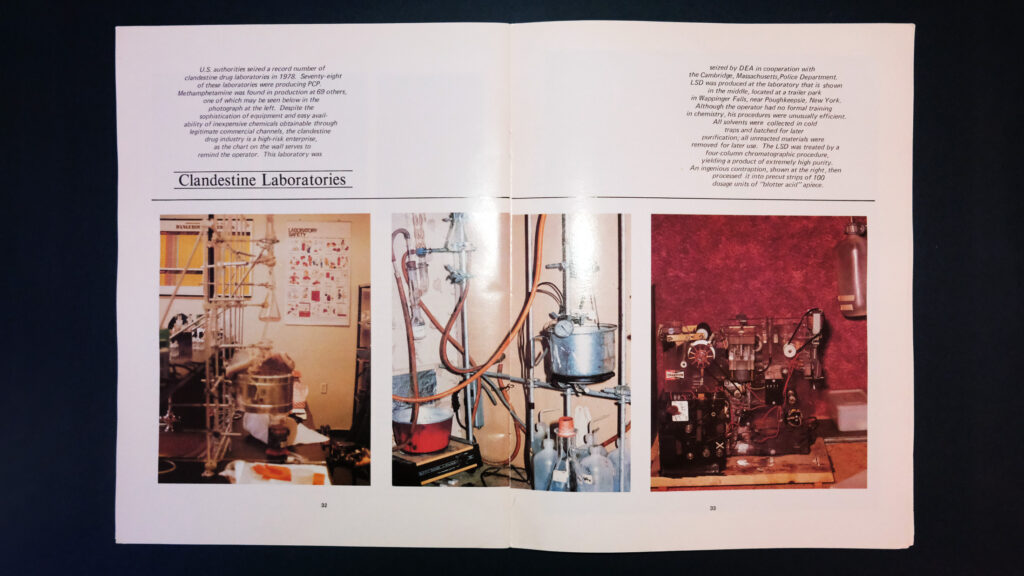
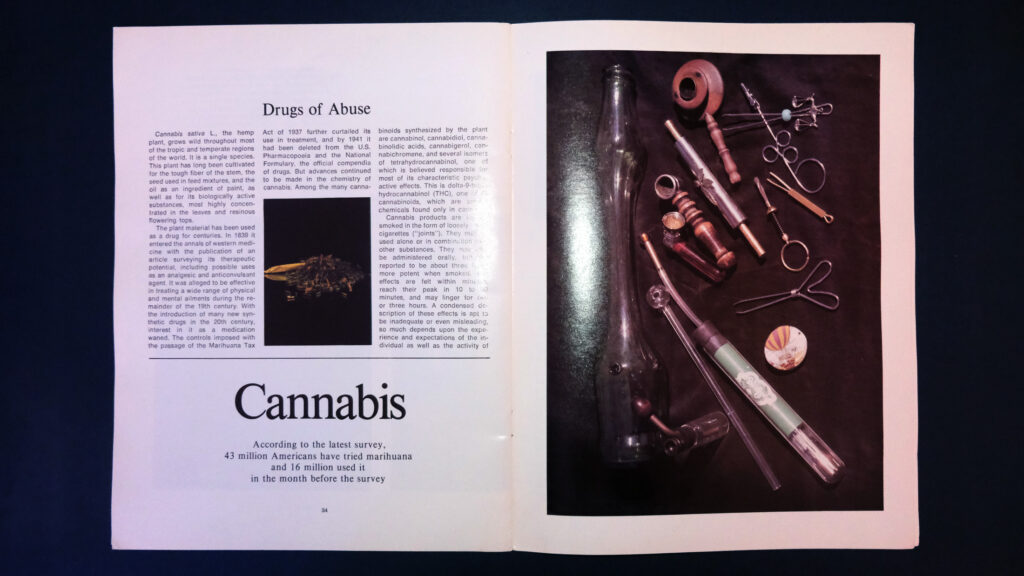
The glossy, saddle-stitched booklet presents itself as a casual table magazine, something you’d find in a normal dentist’s office. Large pages host columns of sans-serif text in full justification, often broken up into two or three columns. The font size stays the same throughout—very large and readable. The headings are set in a very respectable classical serif font, at least for the 1970s when it was designed and typeset.
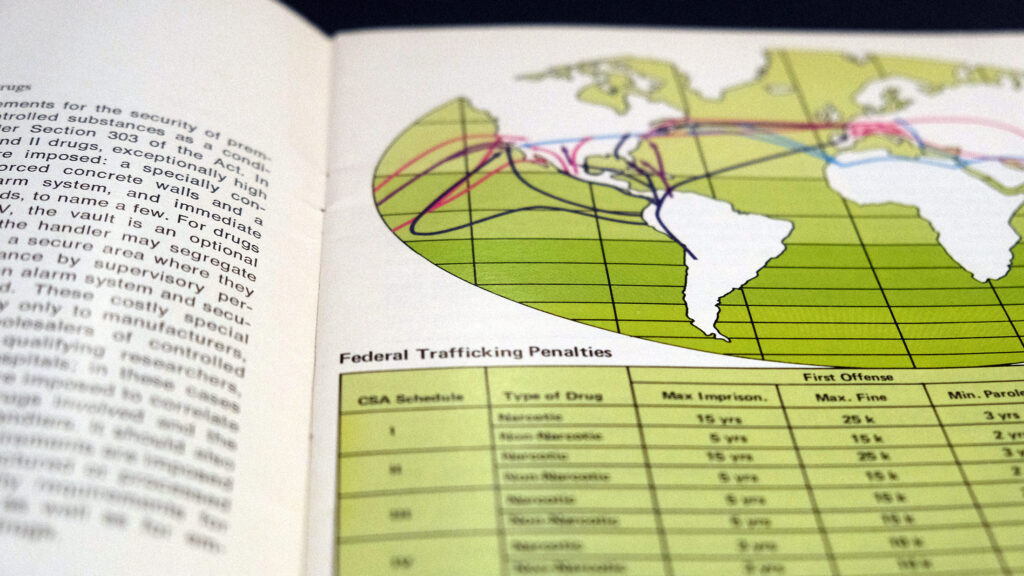
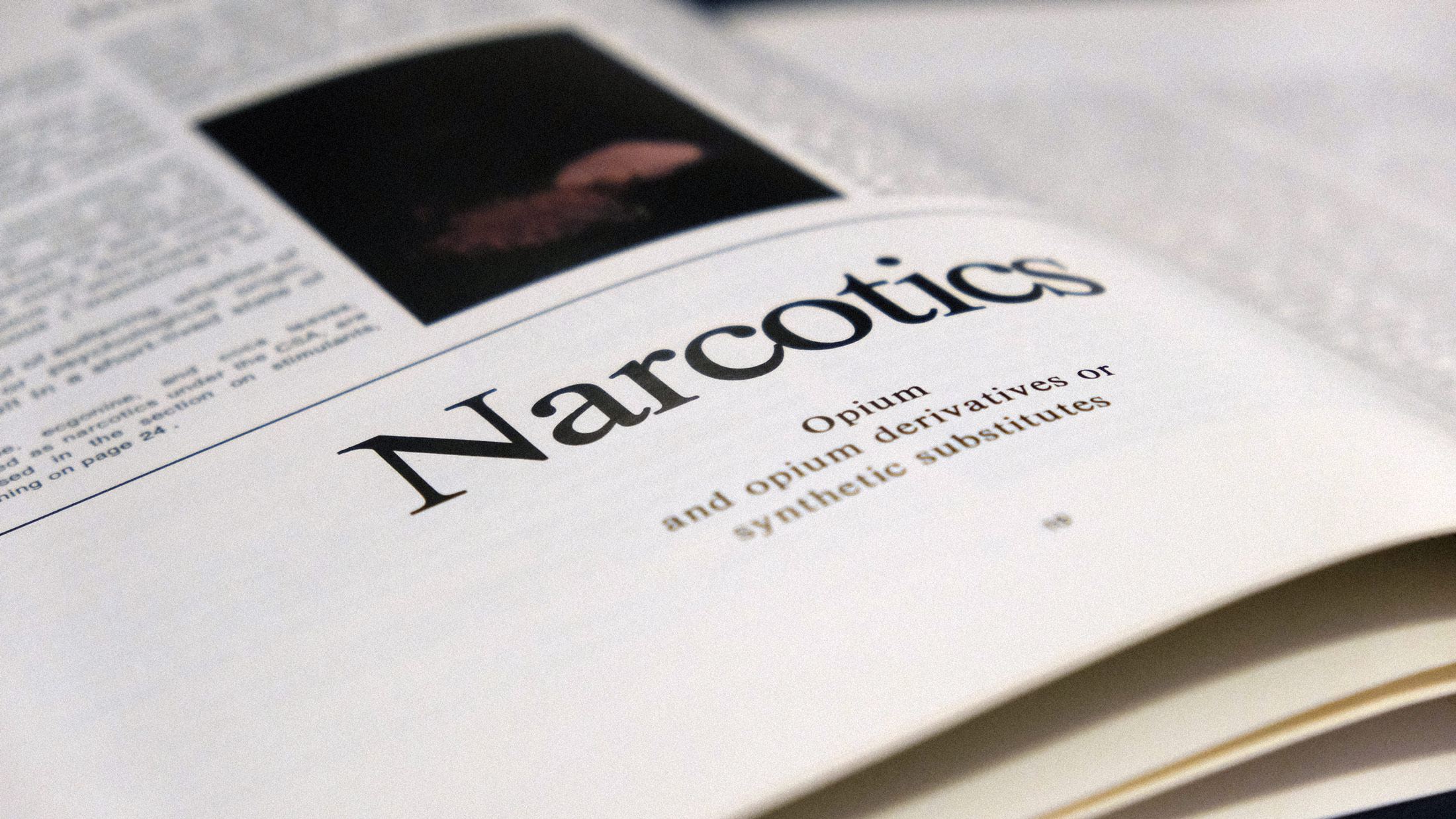
We can’t help but imagine what the art direction must have been like. The grid is followed pretty strictly, but there are oftentimes anarchic deviations into whitespace. Perhaps these areas are for quiet contemplation. Paragraph section headers like “Security for Drug Storage,” “Reports to DEA,” and “Criminal Penalties for Trafficking” often clash with surprisingly well-designed tables of drug information.
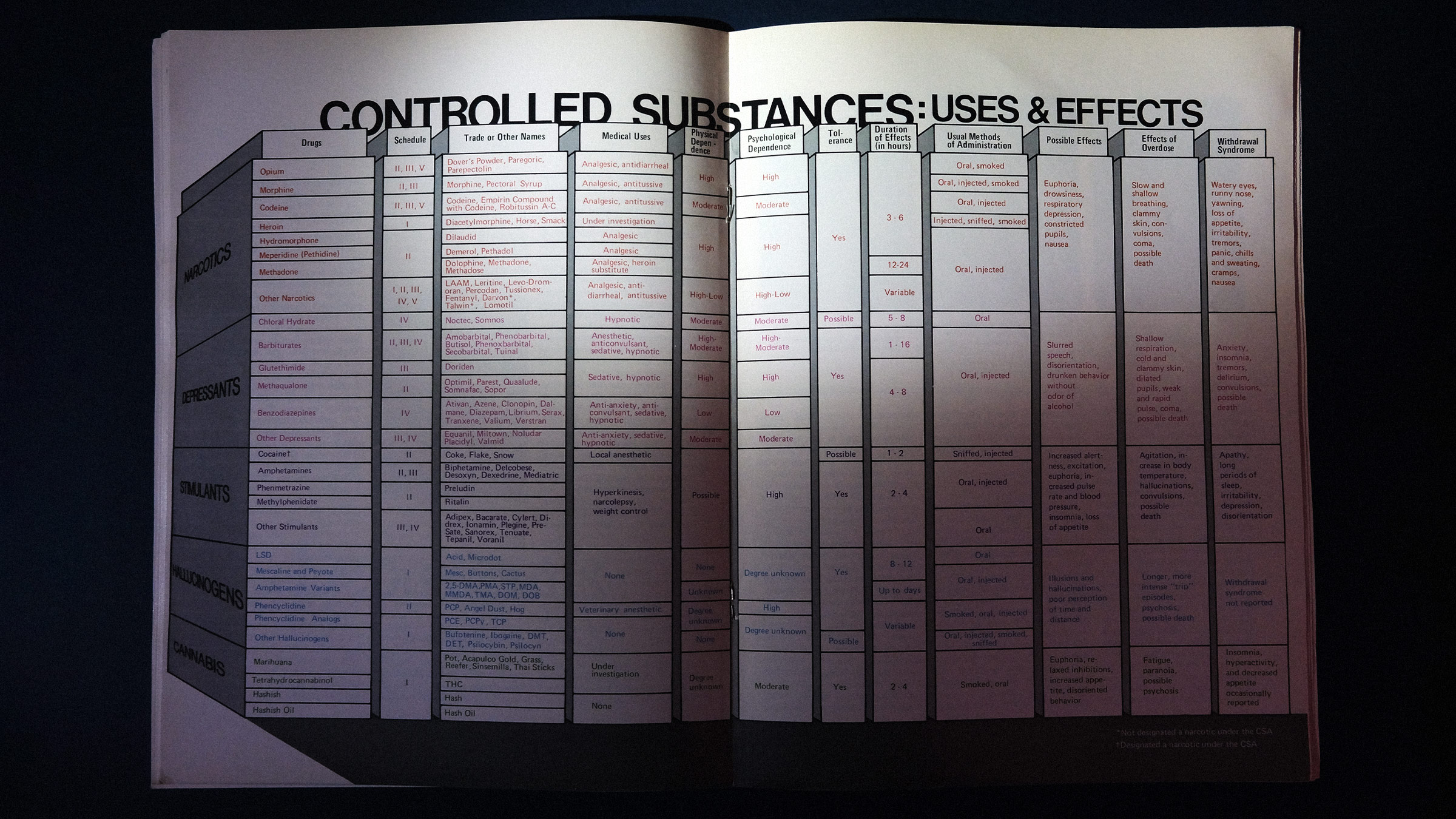
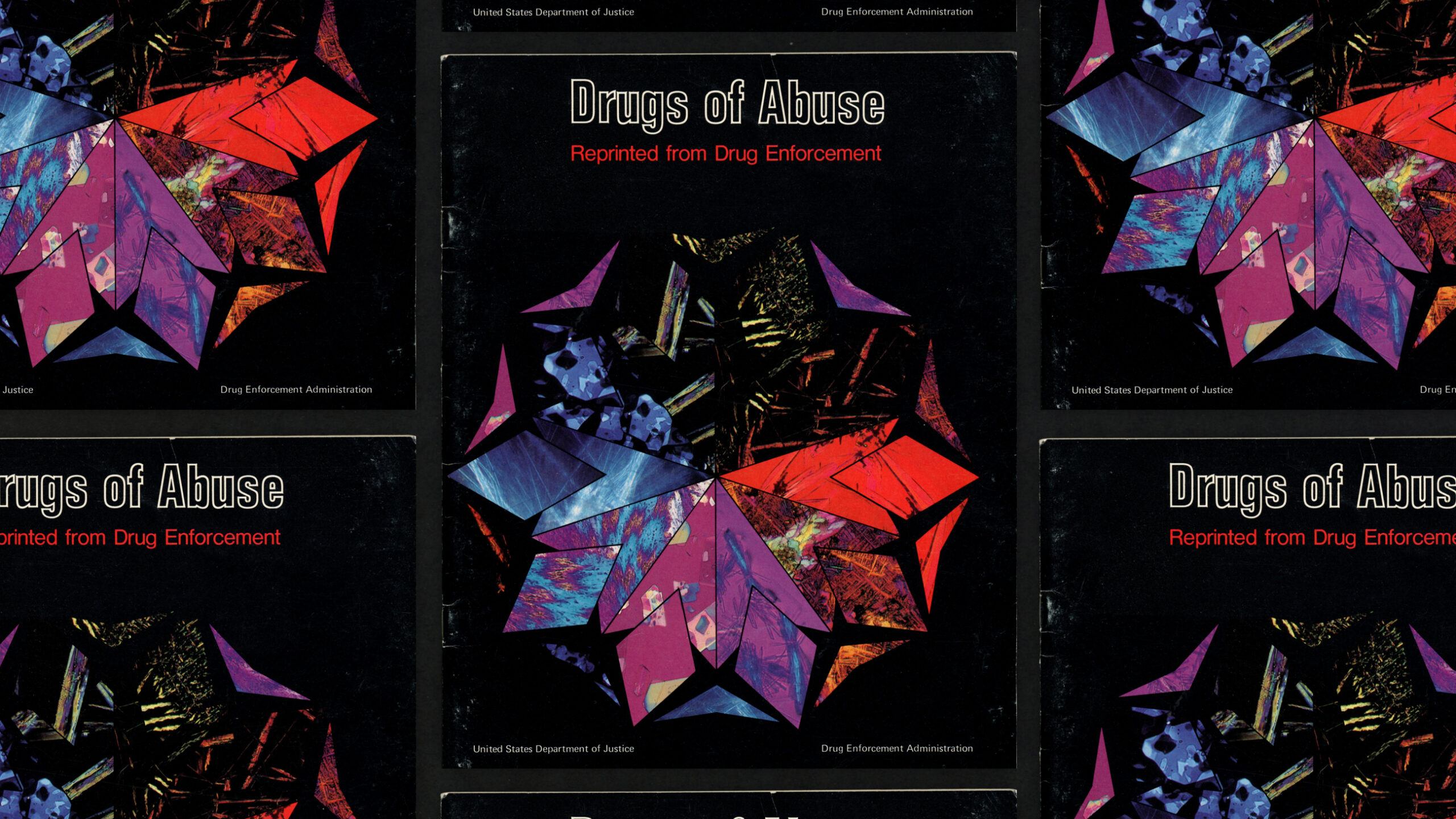
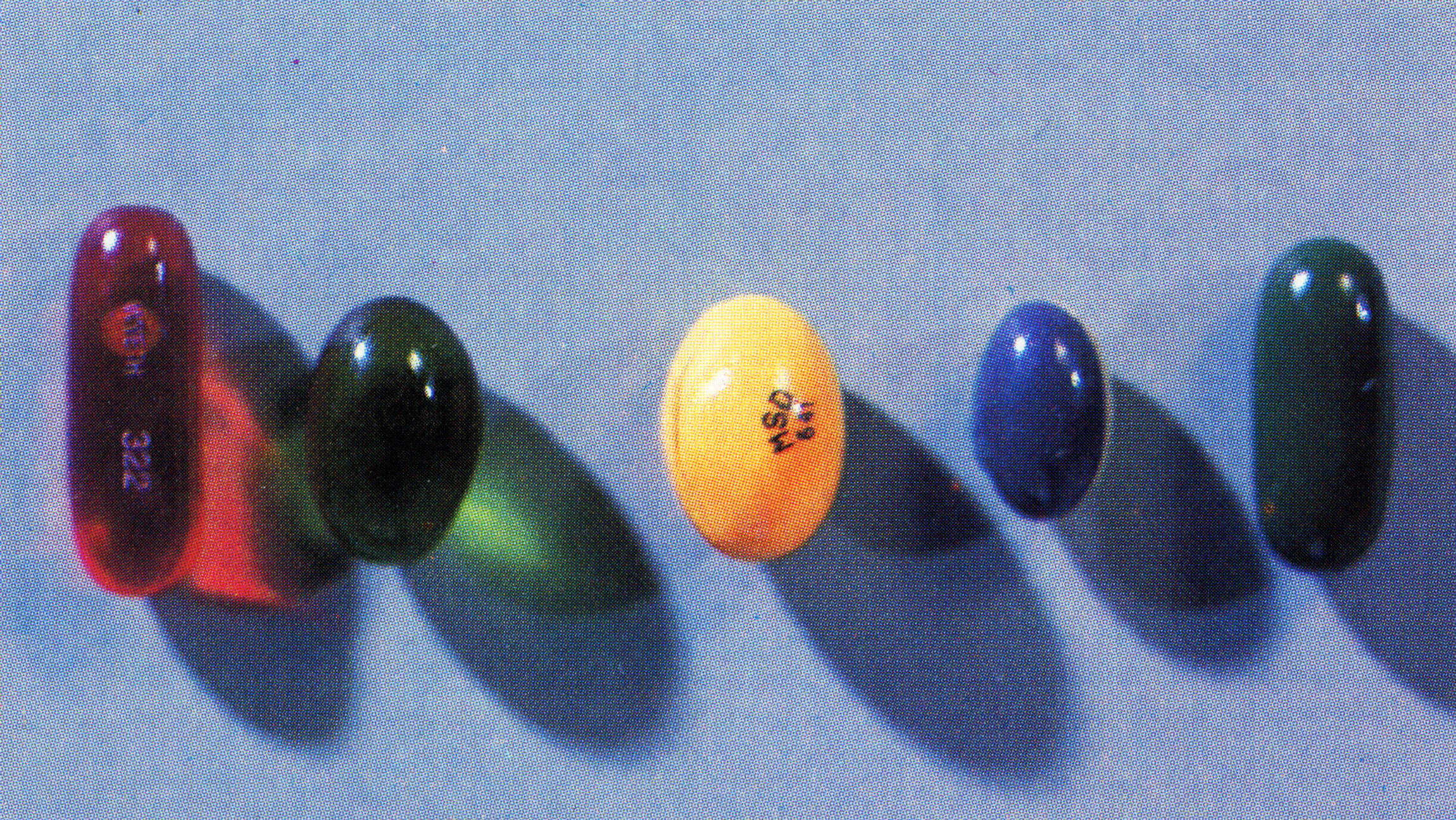
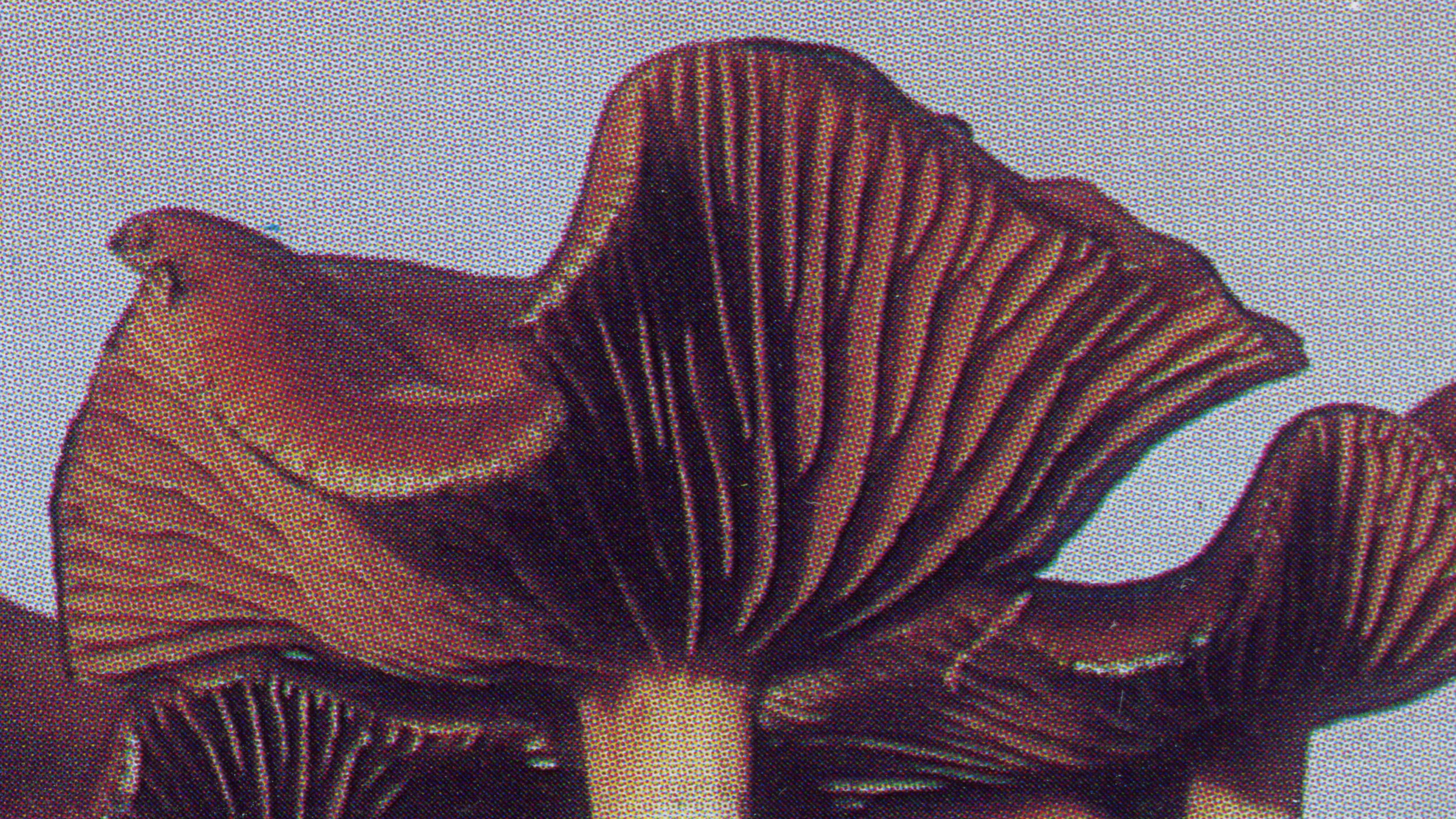
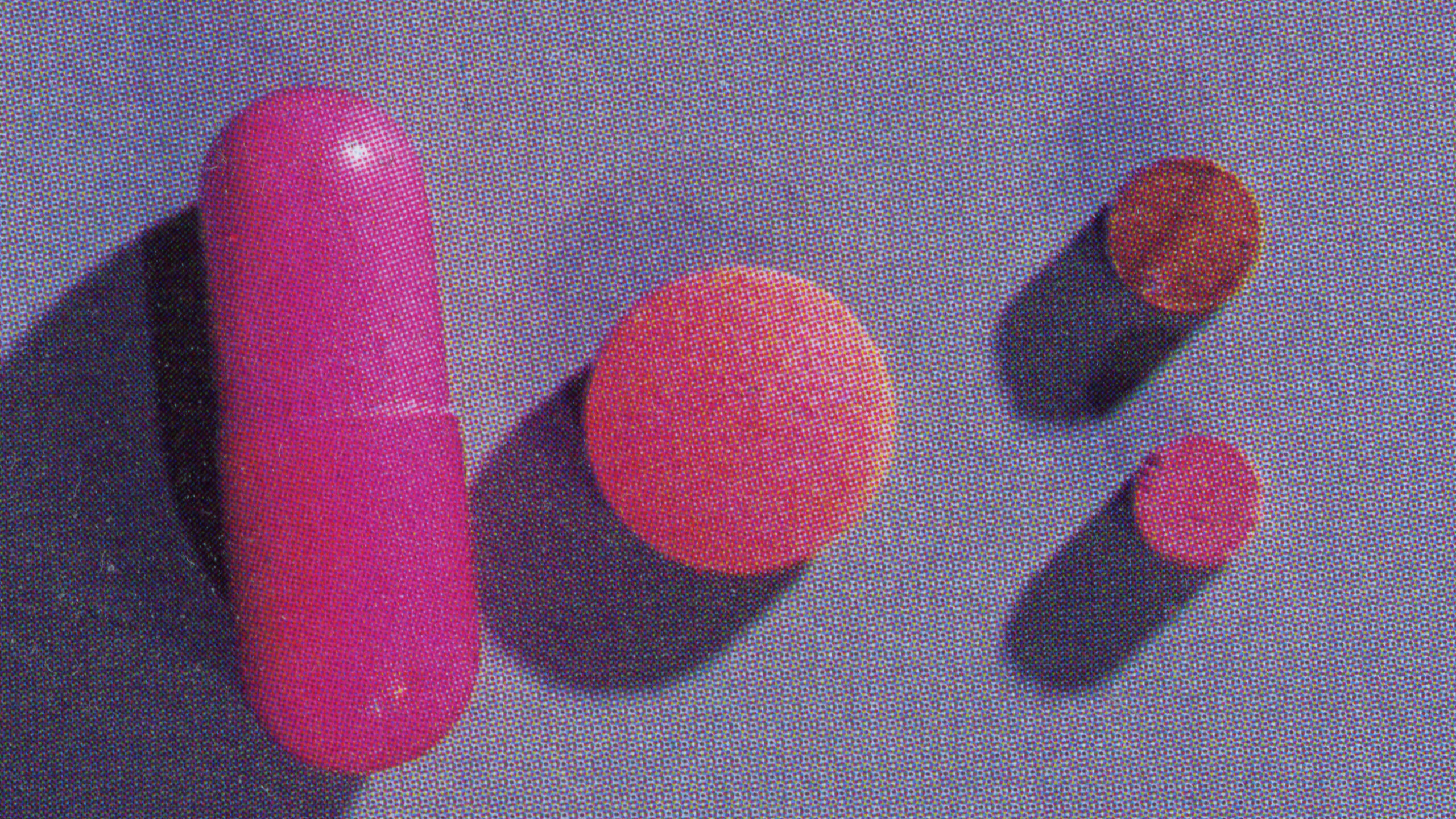
The photographs of drugs are absolutely beautiful, and we thought the only way to do them justice was to scan them in absurdly high resolution.
Blocks of text describe drugs of abuse both in scientific terms and in terms of feeling: “The relief of suffering, whether of physical or psychological origin, may result in a short-lived state of euphoria. The initial effects, however, are often unpleasant, leading many to conclude that those who persist in their illicit use may have latent personality disturbances.”
A DEA agent tasked with writing about these things was likely not just cataloging chemicals, but confronting a cultural shift that had already outpaced enforcement within their own organization—psychedelics, communal living, anti-establishment values, and a growing distrust of authority.
Perhaps the insistence on militant order and rigid grids in the photography was a reflection of this tension. Faced with subjects that resisted easy definition—shifting slang, informal networks, and substances embedded in culture as much as chemistry—the visual language compensates by imposing structure.
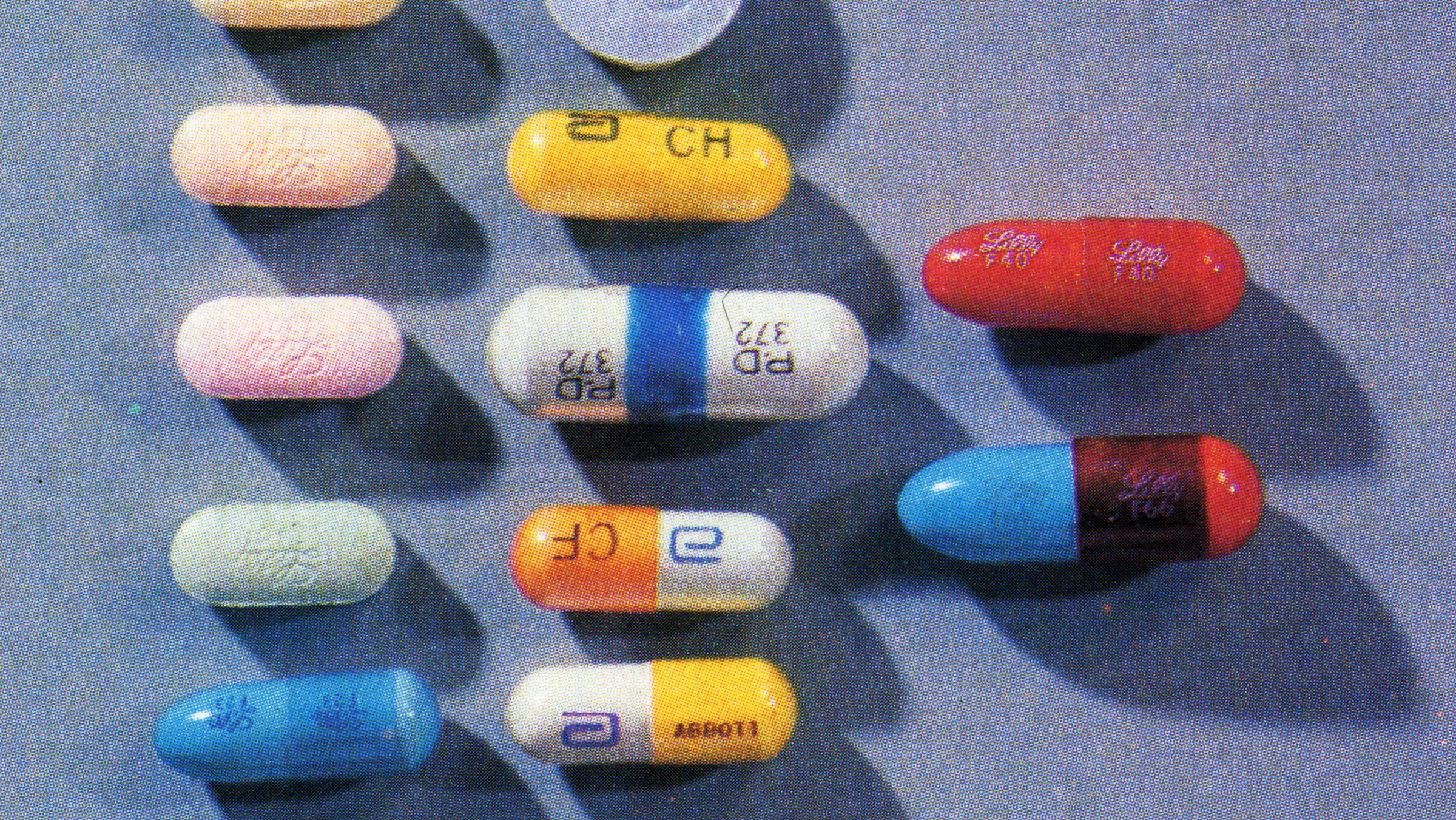
The technicolor showing through from the four-color offset lithography of the period becomes a parallel to the psychedelic nonsense and hieroglyphic-like symbols stamped into the pills themselves—a break from reality and, at the same time, a clear signal of the era.
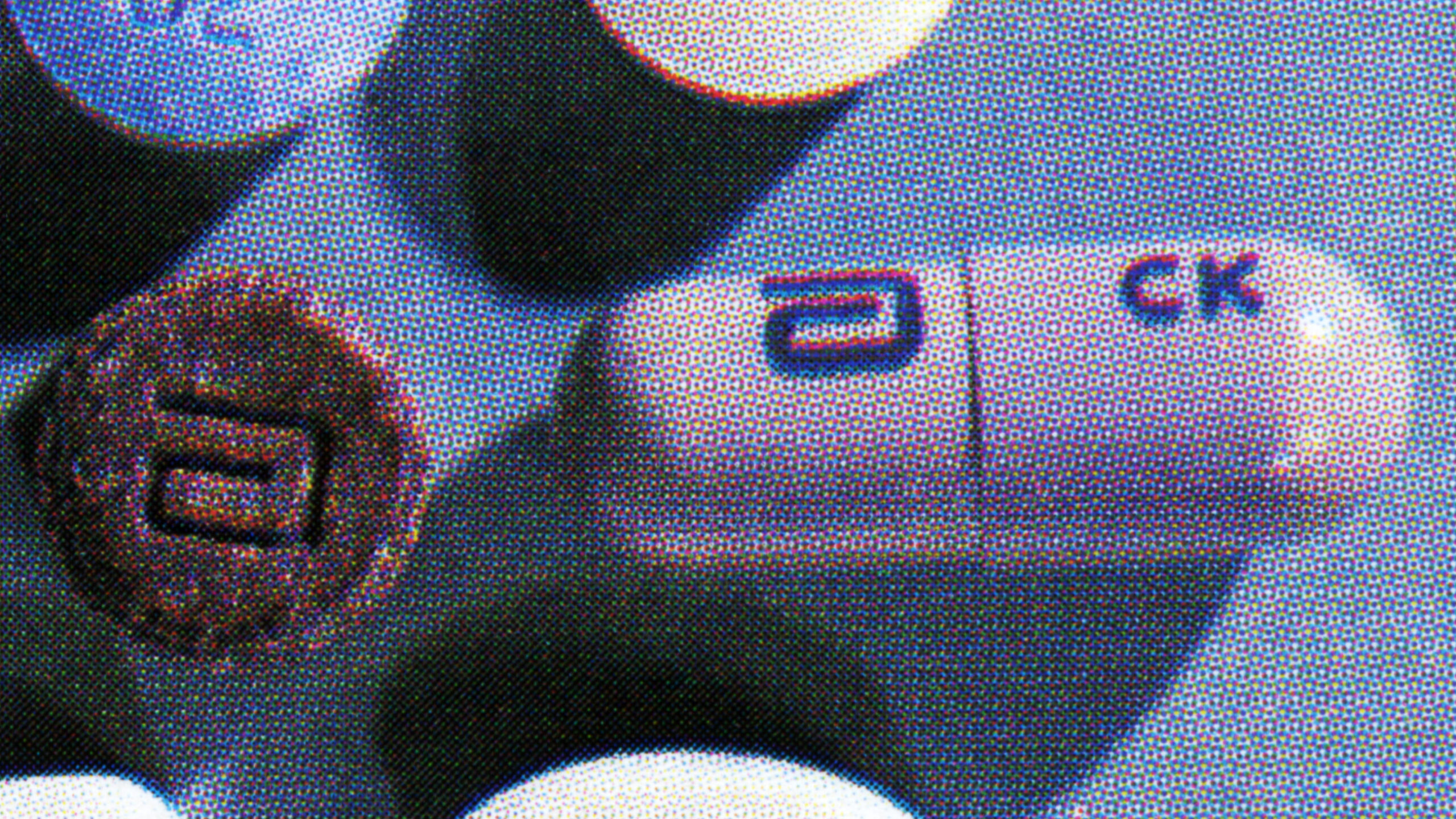
Slight misregistrations, oversaturated inks, and the mechanical layering of color give the images a vibrancy that exceeds their clinical intent. What was meant to document instead begins to echo the visual language of the culture it seeks to contain, blurring the line between observation and participation.
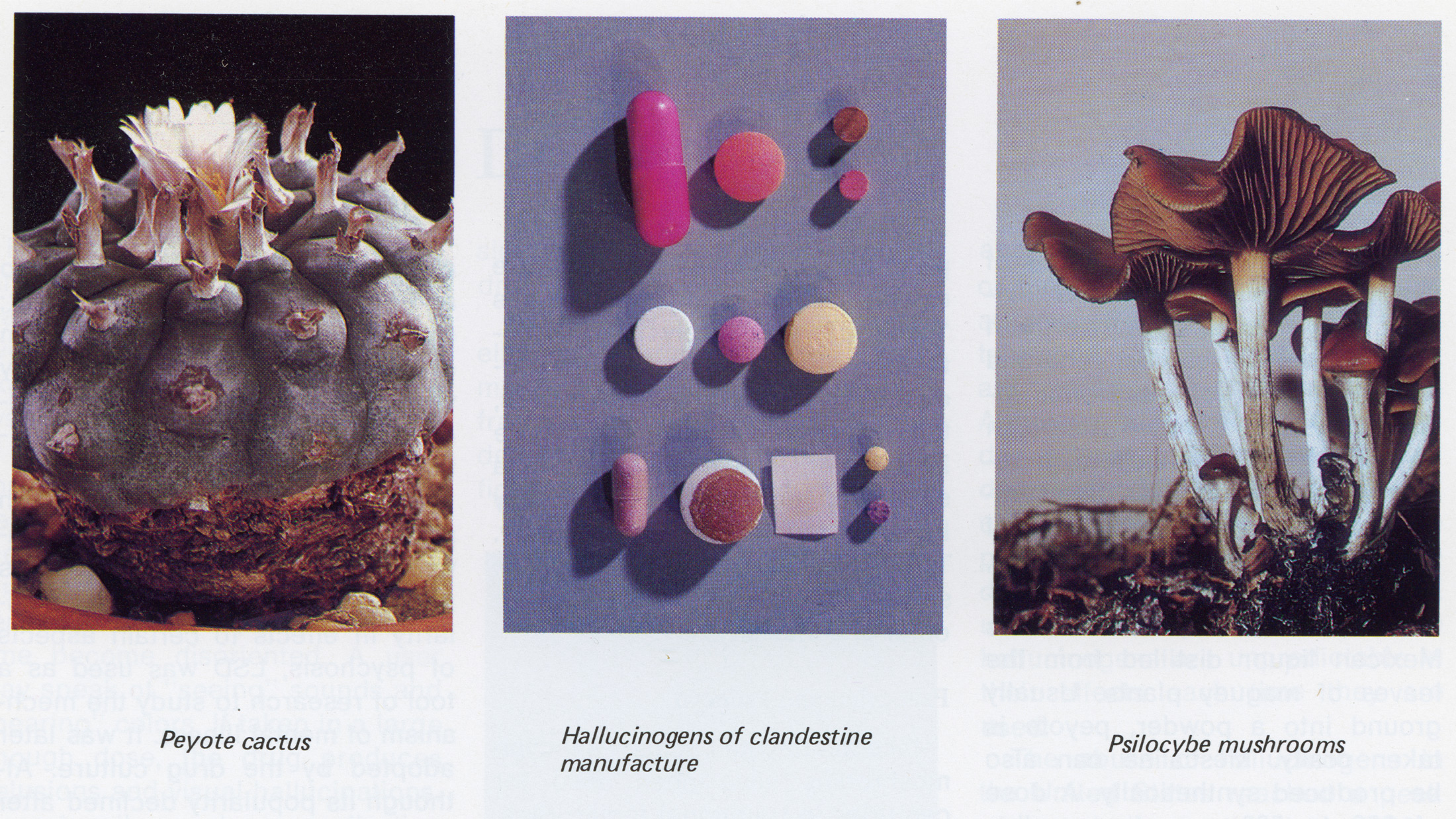
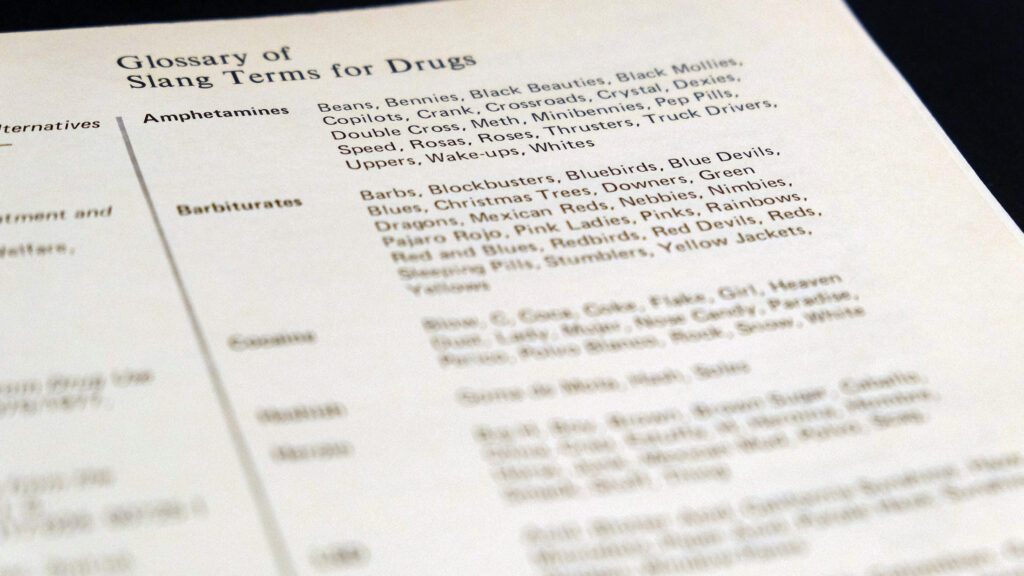
Glossary of Slang Terms for Drugs
Here are some slang terms for drugs according to whoever wrote this pamphlet in the 1970s!
Barbiturates: Barbs, Blockbusters, Bluebirds, Blue Devils, Blues, Christmas Trees, Downers, Green Dragons, Mexican Reds, Nebbies, Nimbies, Pajaro Rojo, Pink Ladies, Pinks, Rainbows, Red and Blues, Redbirds, Red Devils, Reds, Sleeping Pills, Stumblers, Yellow Jackets, Yellows
Drugs of Abuse Vol. 6 No. 2, Drug Enforcement Administration, 1979
Amphetamines: Beans, Bennies, Black Beauties, Black Mollies, Copilots, Crank, Crossroads, Crystal, Dexies, Double Cross, Meth, Minibennies, Pep Pills, Speed, Rosas, Roses, Thrusters, Truck Drivers, Uppers, Wake-ups, Whites
Barbiturates: Barbs, Blockbusters, Bluebirds, Blue Devils, Blues, Christmas Trees, Downers, Green Dragons, Mexican Reds, Nebbies, Nimbies, Pajaro Rojo, Pink Ladies, Pinks, Rainbows, Red and Blues, Redbirds, Red Devils, Reds, Sleeping Pills, Stumblers, Yellow Jackets, Yellows
Cocaine: Blow, C, Coca, Coke, Flake, Girl, Heaven Dust, Lady, Mujer, Nose Candy, Paradise, Perico, Polvo Blanco, Rock, Snow, White
Hashish: Goma de Mota, Hash, Soles
Heroin: Big H, Boy, Brown, Brown Sugar, Caballo, Chiva, Crap, Estuffa, H, Heroina, Hombre, Horse, Junk, Mexican Mud, Polvo, Scag, Smack, Stuff, Thing
LSD: Acid, Blotter Acid, California Sunshine, Haze, Microdots, Paper Acid, Purple Haze, Sunshine, Wedges, Window Panes
Marihuana: Acapulco Gold, Cannabis, Colombian, Ganga, Grass, Griffa, Hemp, Herb, J, Jay, Joint, Mary Jane, Mota, Mutah, Panama Red, Pot, Reefer, Sativa, Smoke, Stick, Tea, Weed, Yerba
Peyote: Buttons, Cactus, Mesc, Mescal, Mescal Buttons
Methaqualone: Quaalude, Quads, Quas, Soapers, Sopes, Sopor
Morphine: Cube, First Line, Goma, Morf, Morfina, Morpho, Morphy, Mud
Phencyclidine: Angel Dust, Crystal, Cyclone, Hog, PCP, Peace Pill, Rocket Fuel, Supergrass, TIC TAC
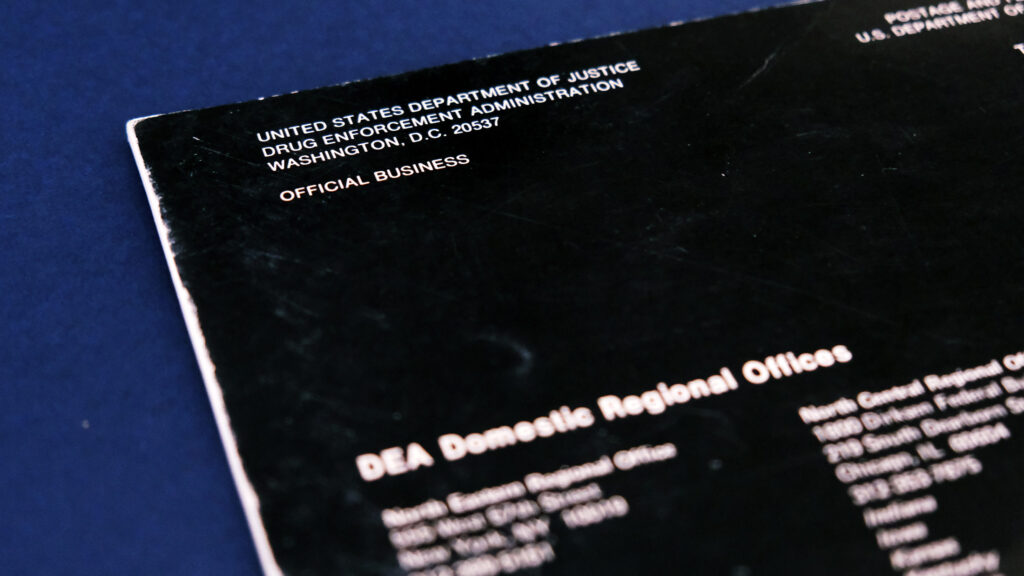
We don’t have any more information about this particular pamphlet but we highly suggest picking up a copy from your local DEA broom closet or eBay.
